Korean Beef Noodles An Incredible Ultimate Recipe
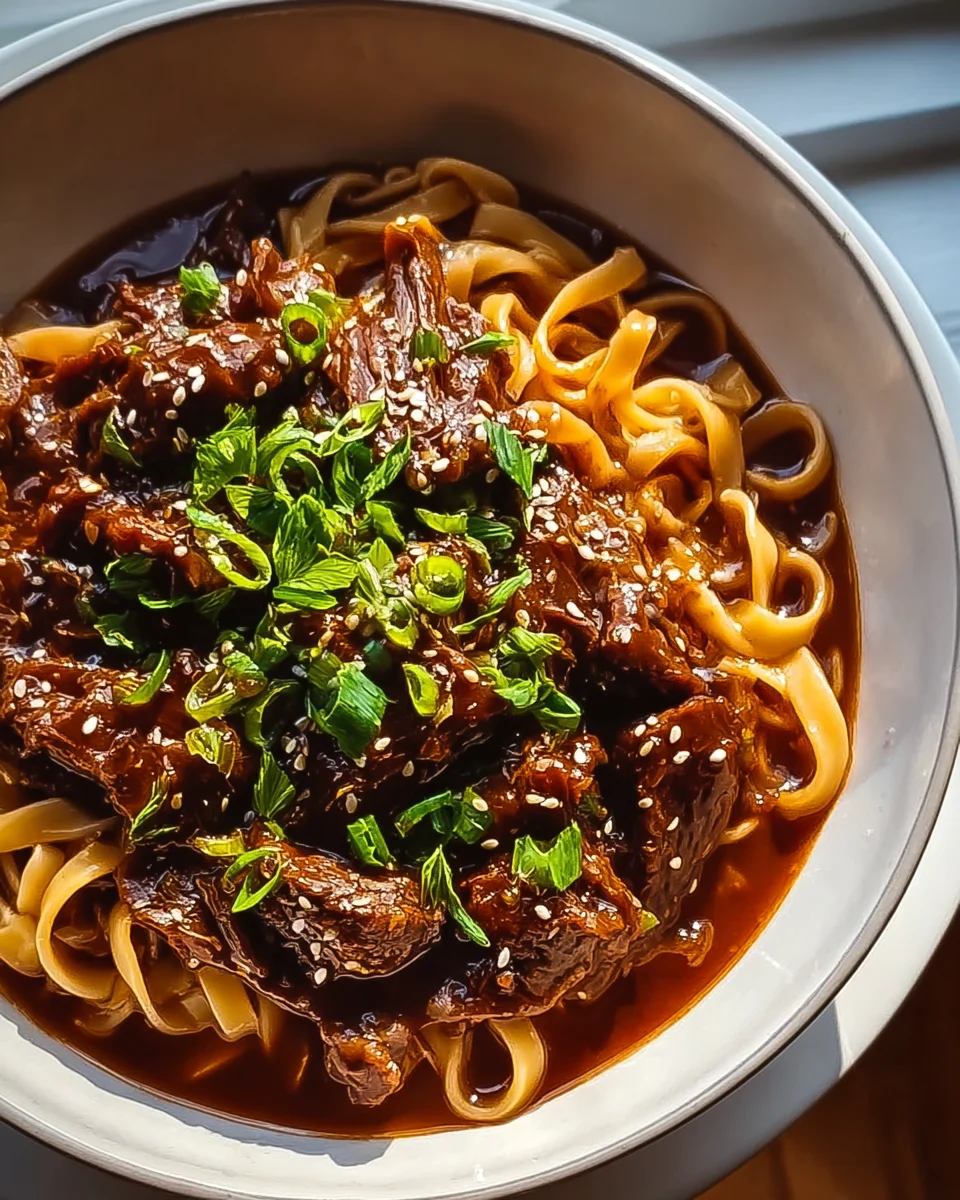
Welcome to my kitchen, where today we’re diving into the delicious world of Korean Beef Noodles An Incredible Ultimate Recipe. This dish is not just a meal; it’s an experience that brings the vibrant flavors of Korea right to your table. Imagine tender strips of marinated beef, perfectly stir-fried with fresh vegetables, all wrapped up in a nest of chewy noodles and drizzled with a savory sauce that’s simply to die for! What makes this recipe truly special is the perfect balance of sweet, savory, and spicy notes that dance on your palate, making each bite utterly irresistible.
You’re going to love how quick and easy this dish is to whip up, making it perfect for weeknight dinners or impressing friends at a gathering. Plus, it’s versatile! You can easily adjust the ingredients to suit your taste or dietary preferences. Whether you’re a seasoned cook or just starting out, this Korean Beef Noodles recipe will have you feeling like a culinary rockstar in no time. So, let’s roll up our sleeves and get ready to savor a bowl of comforting, flavorful goodness that’s sure to become a favorite in your household!

Ingredient Notes
For my ‘Korean Beef Noodles An Incredible Ultimate Recipe’, I focus on a blend of fresh ingredients that come together to create the perfect harmony of flavors. Here’s what you’ll need:
- Beef: I prefer to use flank steak or sirloin for tenderness. You can substitute with ground beef for a quicker option.
- Noodles: Fresh or dried udon noodles work best, but you can also use ramen or rice noodles if you prefer gluten-free.
- Vegetables: I like to include bell peppers, carrots, and green onions for crunch and color. Feel free to add bok choy or spinach for extra greens.
- Gochujang: This Korean chili paste adds depth and heat. If you can’t find it, mix red pepper flakes with miso paste for a similar flavor.
- Soy Sauce: Use low-sodium soy sauce to control the saltiness. If you need a gluten-free option, tamari works great.
- Sesame Oil: A small amount of toasted sesame oil gives a nutty finish. If you’re out, you can use a bit of olive oil, although it won’t have the same flavor.
- Non-alcoholic alternatives: For the marinade, you can use apple cider vinegar or rice vinegar instead of any alcoholic options.
Step-by-Step Instructions
Now, let’s dive into the cooking process for these delightful Korean Beef Noodles:
- Marinate the Beef: Start by thinly slicing the beef against the grain. In a bowl, mix 3 tablespoons of soy sauce, 1 tablespoon of gochujang, 1 tablespoon of sesame oil, and a teaspoon of sugar. Add the beef, tossing it well to coat. Let it marinate for at least 30 minutes, or up to 2 hours for deeper flavor.
- Prepare the Noodles: If you’re using dried noodles, cook them according to the package instructions. Fresh noodles only need a quick boil, so keep an eye on them. Drain and set aside.
- Sauté the Vegetables: In a large skillet or wok, heat 2 tablespoons of vegetable oil over medium-high heat. Add sliced bell peppers and carrots, stirring frequently for about 3-4 minutes until they are slightly tender but still crisp. Toss in the green onions and cook for another minute.
- Cook the Beef: Push the vegetables to the side of the skillet. Add the marinated beef in a single layer and let it sear without stirring for about 2 minutes. Once it’s browned, stir everything together and cook for an additional 2-3 minutes until the beef is cooked through.
- Combine: Add the cooked noodles to the skillet and pour in an additional tablespoon of soy sauce and another teaspoon of gochujang. Toss everything together until well combined and heated through.
- Garnish: Serve your Korean beef noodles hot, garnished with sesame seeds and extra green onions if desired. Enjoy!
Tips & Suggestions
Here are some tips to elevate your Korean Beef Noodles experience:
- Don’t Overcook the Beef: Cooking the beef quickly over high heat will keep it tender. Remove it from the pan as soon as it’s no longer pink.
- Customize the Spice Level: Adjust the amount of gochujang to suit your taste. If you prefer milder flavors, start with less and add more if desired.
- Add Texture: Consider adding crushed peanuts or sesame seeds for extra crunch and flavor.
- Meal Prep: This dish is perfect for meal prep. Just keep the noodles and sauce separate until you’re ready to eat.
Storage
To store your leftover Korean Beef Noodles:
- Refrigeration: Place the noodles in an airtight container and store in the fridge for up to 3 days.
- Freezing: You can freeze the beef and vegetable mixture in a separate container. Just be mindful that noodles may become soggy upon thawing.
- Reheating: When ready to eat, reheat in a pan over medium heat, adding a splash of water or broth to prevent sticking.
With these instructions and tips, you’re all set to create the most incredible Korean Beef Noodles. Enjoy the delightful flavors and the satisfaction of homemade cooking!
Final Thoughts
If you’re looking for a dish that brings together bold flavors and comforting textures, then look no further than Korean Beef Noodles An Incredible Ultimate Recipe. This recipe is a true celebration of the rich, savory elements of Korean cuisine, all wrapped up in a delightful noodle dish that’s perfect for any occasion. With its tender beef, vibrant vegetables, and a sauce that dances on your taste buds, this recipe is sure to impress family and friends alike. Plus, it’s easy to make and allows for personal touches, so you can truly make it your own. I can’t recommend Korean Beef Noodles An Incredible Ultimate Recipe enough—give it a try, and I promise you’ll want to make it again and again! Happy cooking!
Incredible Korean Beef Noodles: Ultimate Flavor Awaits!
- Total Time: 45 minutes
- Yield: 4 servings 1x
Description
Dive into the vibrant flavors of Korea with these Incredible Korean Beef Noodles. This dish combines tender marinated beef, fresh vegetables, and chewy noodles, all drizzled with a savory sauce for an unforgettable meal.
Ingredients
- 1 lb flank steak or sirloin (or ground beef)
- 8 oz fresh or dried udon noodles (or ramen or rice noodles)
- 1 bell pepper, sliced
- 1 carrot, sliced
- 2 green onions, chopped
- 1 tablespoon gochujang
- 4 tablespoons soy sauce (low-sodium)
- 1 tablespoon sesame oil
- 1 teaspoon sugar
- 2 tablespoons vegetable oil
- Optional: bok choy or spinach
- Optional: crushed peanuts or sesame seeds for garnish
- Non-alcoholic alternatives: apple cider vinegar or rice vinegar
Instructions
- Marinate the Beef: Start by thinly slicing the beef against the grain. In a bowl, mix 3 tablespoons of soy sauce, 1 tablespoon of gochujang, 1 tablespoon of sesame oil, and a teaspoon of sugar. Add the beef, tossing it well to coat. Let it marinate for at least 30 minutes, or up to 2 hours for deeper flavor.
- Prepare the Noodles: If you’re using dried noodles, cook them according to the package instructions. Fresh noodles only need a quick boil, so keep an eye on them. Drain and set aside.
- Sauté the Vegetables: In a large skillet or wok, heat 2 tablespoons of vegetable oil over medium-high heat. Add sliced bell peppers and carrots, stirring frequently for about 3-4 minutes until they are slightly tender but still crisp. Toss in the green onions and cook for another minute.
- Cook the Beef: Push the vegetables to the side of the skillet. Add the marinated beef in a single layer and let it sear without stirring for about 2 minutes. Once it’s browned, stir everything together and cook for an additional 2-3 minutes until the beef is cooked through.
- Combine: Add the cooked noodles to the skillet and pour in an additional tablespoon of soy sauce and another teaspoon of gochujang. Toss everything together until well combined and heated through.
- Garnish: Serve your Korean beef noodles hot, garnished with sesame seeds and extra green onions if desired. Enjoy!
- Prep Time: 30 mins
- Cook Time: 15 mins
- Category: Dinner
- Method: Stir-frying
- Cuisine: Korean
Nutrition
- Serving Size: 1 bowl
- Calories: 550
- Sugar: 5 g
- Sodium: 800 mg
- Fat: 20 g
- Saturated Fat: 4 g
- Unsaturated Fat: 15 g
- Trans Fat: 0 g
- Carbohydrates: 70 g
- Fiber: 3 g
- Protein: 30 g
- Cholesterol: 70 mg
Keywords: Don’t overcook the beef to keep it tender. Customize the spice level by adjusting the amount of gochujang. Consider adding crushed peanuts or sesame seeds for extra crunch and flavor.