Healthy Korean Beef Belly Skillet
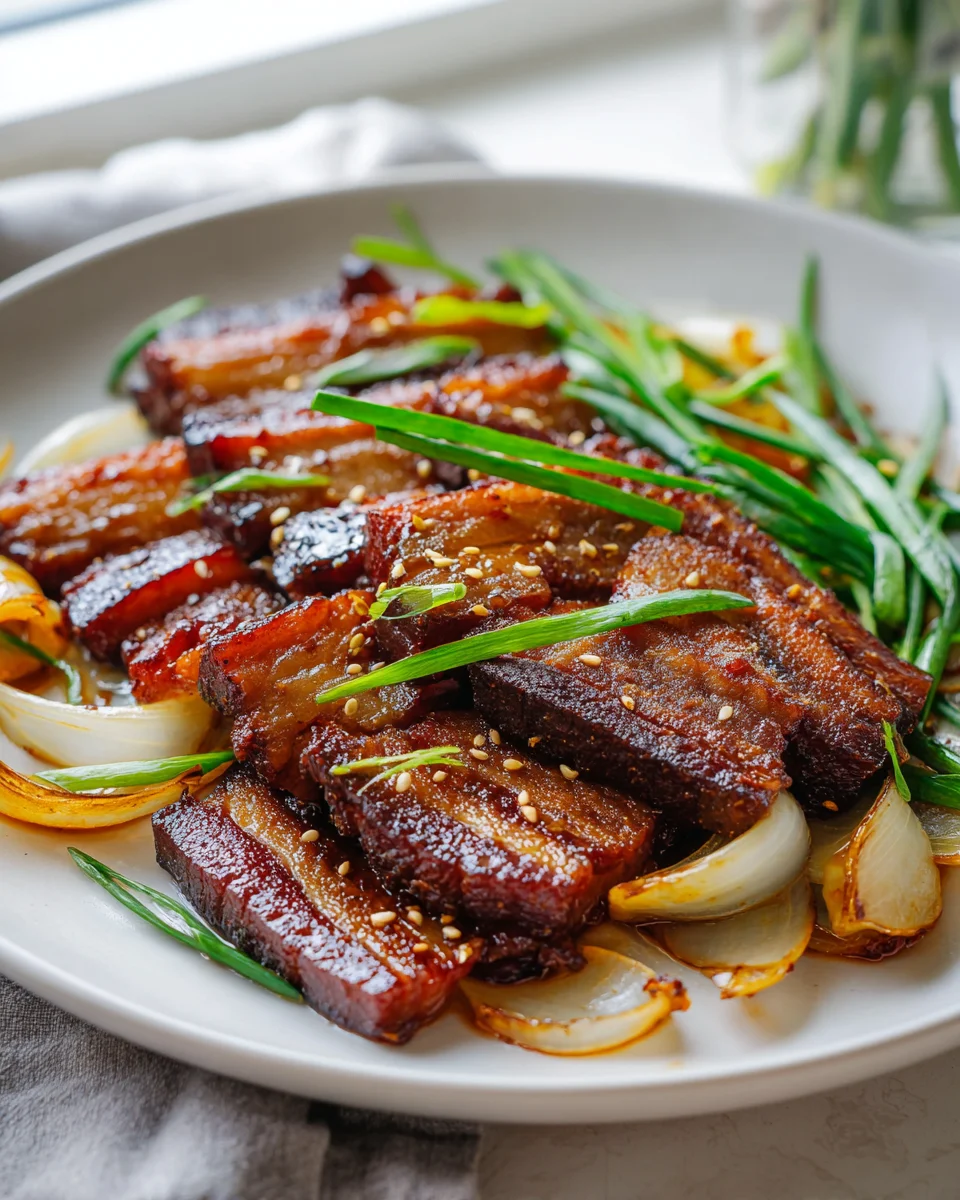
Get ready to add a new favorite to your dinner rotation because my Healthy Korean Beef Belly Skillet is here to revolutionize your weeknights! I know what you might be thinking – “beef belly” sounds rich, but trust me, this recipe focuses on balancing those wonderful, melt-in-your-mouth beef flavors with vibrant, crisp vegetables and a marinade that’s pure magic, making it a surprisingly light yet incredibly fulfilling meal. This isn’t just another stir-fry; it’s a celebration of tender beef, vivid colors, and that irresistible Korean sweet-savory-spicy kick, all brought together in one convenient skillet.
What makes this dish so special, you ask? It’s the perfect harmony of thinly sliced, succulent beef belly, marinated in a delectable blend of soy sauce, garlic, ginger, a hint of gochujang for a gentle warmth, and a touch of sweetness – all without any alcohol. When sizzling in the skillet, the beef caramelizes beautifully alongside a colorful medley of fresh vegetables like bell peppers, onions, and mushrooms, absorbing all those incredible flavors. You’ll love how quickly this comes together, making it an ideal choice for a busy evening when you crave something truly delicious and wholesome, without feeling heavy. It’s a complete meal bursting with umami and freshness, ready to be scooped over a bed of fluffy rice or enjoyed on its own. Trust me, your taste buds are in for a treat!

Hey there, fellow food adventurers! I’m so excited to share one of my favorite go-to recipes for a quick, flavorful, and truly satisfying weeknight meal: my Healthy Korean Beef Belly Skillet. This dish perfectly marries the rich, savory depth of beef belly with vibrant, crisp vegetables, all brought together with that irresistible Korean sweet and spicy kick. It’s designed to be healthy without sacrificing an ounce of flavor, making it a brilliant choice for a nutritious and delicious dinner. Let’s dive in and get cooking!
Ingredient Notes
Crafting a truly healthy and delicious Korean Beef Belly Skillet starts with choosing the right ingredients and understanding how they contribute to both flavor and nutrition. Here’s a look at what you’ll need and some thoughts on substitutions to keep things wholesome.
- Beef Belly: This is the star of our show! Beef belly, often known as beef navel or short plate, is wonderfully flavorful and becomes incredibly tender when cooked properly. For a healthier approach, I often choose cuts that have a good meat-to-fat ratio, or I might trim some of the visible excess fat before slicing. You’ll want to slice it thinly, against the grain, which helps it cook quickly and stay tender in the skillet. If you can’t find beef belly or prefer a leaner cut, thinly sliced sirloin, flank steak, or even beef bulgogi cuts work beautifully, though they’ll offer a slightly different texture and fat content.
- Low-Sodium Soy Sauce: This is a fundamental component of our Korean marinade, providing that essential umami and savory base without overdoing the sodium. I always opt for low-sodium versions to keep the dish heart-healthy. For gluten-free options, tamari works perfectly, or for a soy-free alternative, coconut aminos are an excellent choice, though you might need to adjust the sweetness slightly as they tend to be naturally sweeter.
- Sesame Oil: A little goes a long way with sesame oil! It adds an incredible depth of nutty, aromatic flavor that is quintessential to Korean cuisine. I use toasted sesame oil for its more intense aroma.
- Garlic and Ginger: Freshly minced garlic and grated ginger are non-negotiable for me. They provide a pungent, warming foundation for our marinade and really elevate the overall flavor profile. Don’t be shy with these!
- Gochujang (Korean Chili Paste): This is where the magic happens for that signature Korean spice and rich, fermented flavor. Gochujang adds a beautiful color and a complex heat. The amount you use can be adjusted to your spice preference – a tablespoon offers a mild warmth, while two or more will bring a more robust kick. If you’re sensitive to spice or prefer a milder dish, you can reduce the amount or substitute part of it with a bit of tomato paste and a pinch of gochugaru (Korean chili flakes) for color without as much heat.
- Natural Sweetener: To balance the savory and spicy notes, a touch of natural sweetness is key. I usually reach for honey or maple syrup. A small amount is all you need to create that delightful Korean flavor balance. You could also use a date syrup or even a sugar substitute like erythritol-based sweeteners if you’re managing sugar intake.
- Non-Alcoholic Mirin Alternative: Traditionally, mirin (sweet rice wine) is used. To keep it alcohol-free, I opt for a non-alcoholic mirin alternative, which provides a similar sweetness and depth. Alternatively, a splash of rice vinegar with a tiny pinch of sugar or a bit of apple juice can mimic the effect, adding a subtle tang and tenderizing the beef.
- Fresh Vegetables: This is where we pack in the health! I love using a colorful mix of quick-cooking vegetables. My go-to choices for this skillet include sliced onions (red or yellow), bell peppers (any color for visual appeal and sweetness), mushrooms (cremini or shiitake add great umami), shredded carrots, and zucchini. Towards the end, I often stir in a handful of fresh spinach or baby bok choy for a burst of green and added nutrients. Feel free to customize with your favorites – broccoli florets, snap peas, or green beans would also be fantastic.
- Garnish: Sliced green onions and toasted sesame seeds are my must-have garnishes. They add freshness, a subtle crunch, and a beautiful visual appeal.
Step-by-Step Instructions
Let’s get this delicious and healthy Korean Beef Belly Skillet cooked up! Follow these steps for a perfect meal every time.
-
Prepare the Beef Belly:
First things first, let’s get our beef ready. If your beef belly isn’t already thinly sliced, carefully slice it against the grain into pieces about 1/4-inch thick. If there’s any excessive visible fat that you want to reduce for a healthier option, now is the time to trim it. Pat the beef slices dry with paper towels; this helps them sear beautifully.
-
Marinate the Beef:
In a medium bowl, combine the low-sodium soy sauce, sesame oil, minced garlic, grated ginger, gochujang, natural sweetener (honey or maple syrup), and the non-alcoholic mirin alternative. Whisk everything together until it’s well combined and smooth. Add the sliced beef belly to the marinade, tossing to ensure every piece is thoroughly coated. Cover the bowl and let it marinate in the refrigerator for at least 20 minutes. If you have more time, an hour or even up to 4 hours will deepen the flavors further. I find that even a short marinade makes a big difference.
-
Prep Your Vegetables:
While the beef is marinating, prepare all your vegetables. Slice the onion, bell peppers, and zucchini into thin strips. Halve or quarter the mushrooms, and thinly slice or julienne your carrots. Having everything prepped and ready to go (this is called mise en place!) makes the skillet cooking process incredibly smooth and fast.
-
Sear the Beef Belly:
Heat a large, heavy-bottomed skillet (a cast-iron skillet or a good quality non-stick pan works great) over medium-high heat. Add about a tablespoon of a neutral cooking oil, like avocado or grapeseed oil. Once the oil is shimmering, add the marinated beef belly in a single layer, working in batches if necessary to avoid overcrowding the pan. Overcrowding will steam the beef instead of searing it. Cook for 2-3 minutes per side until beautifully browned and cooked through. Remove the seared beef from the skillet and set it aside on a plate. If there’s a lot of rendered fat in the skillet, you can carefully drain some of it off, leaving just a tablespoon or so for cooking the vegetables, keeping our “healthy” goal in mind.
-
Sauté the Vegetables:
Add the sliced onions and carrots to the same skillet (add a touch more oil if needed). Sauté for 3-4 minutes until the onions soften slightly. Next, add the bell peppers and mushrooms. Continue to cook, stirring frequently, for another 4-5 minutes, until the vegetables are tender-crisp. You want them cooked but still with a nice bite.
-
Combine and Finish:
Return the seared beef belly and any accumulated juices from the plate to the skillet with the vegetables. Add any remaining marinade from the bowl as well. Stir everything together gently, allowing the flavors to meld and the sauce to thicken slightly, about 1-2 minutes. Finally, stir in the fresh spinach or baby bok choy, if using, and cook just until it wilts, which usually takes about 1 minute. Taste and adjust seasoning if necessary; you might want a pinch more soy sauce or a touch more gochujang.
-
Serve Immediately:
Divide the Healthy Korean Beef Belly Skillet among serving plates. Garnish generously with sliced green onions and a sprinkle of toasted sesame seeds. I love serving this over a bed of fluffy brown rice, quinoa, or even cauliflower rice for an extra healthy twist. Enjoy your delicious creation!
Tips & Suggestions
To truly master your Healthy Korean Beef Belly Skillet and make it your own, here are a few extra tips and suggestions I’ve picked up along the way:
- Embrace the Skillet: The beauty of a skillet meal is its speed and simplicity. Don’t overcrowd your pan, especially when searing the beef. Working in batches ensures a proper sear and prevents the meat from steaming, which can make it tough. A good quality, large skillet with plenty of surface area is your best friend here.
- Boost the Veggies: This dish is incredibly versatile for adding more vegetables. Think beyond what’s listed! Broccoli florets, snow peas, asparagus tips, or even thinly sliced cabbage can be wonderful additions. Just remember to add them according to their cooking time – harder veggies like carrots earlier, and softer, leafy greens like spinach right at the end. The more veggies, the healthier and more satisfying the meal!
- Spice Level Customization: Gochujang is fantastic, but everyone’s spice tolerance is different. If you love heat, feel free to add a bit more gochujang or a pinch of gochugaru (Korean chili flakes) to the marinade or even directly into the skillet at the end. For a milder version, reduce the gochujang significantly and rely more on the ginger and garlic for flavor.
- Healthy Fat Management: Beef belly, while delicious, can render a good amount of fat. As mentioned in the steps, don’t hesitate to drain off any excess rendered fat after searing the beef. This helps keep the dish lighter without sacrificing flavor. You’ll still get all that rich beefy goodness!
- Pairing for Health: While white rice is a traditional accompaniment, try serving your Korean Beef Belly Skillet with brown rice, quinoa, farro, or even cauliflower rice to boost fiber and nutrients. A side of kimchi or a simple cucumber salad can add a refreshing crunch and probiotic benefits.
- Achieving Tender Beef: Thinly slicing the beef belly against the grain is crucial for tenderness. Don’t overcook it – beef belly cooks relatively quickly, and a quick sear ensures it stays juicy and tender, not chewy.
- Marinade Magic: While a 20-minute marinade works in a pinch, giving the beef belly a bit more time (1-4 hours) in the refrigerator will allow the flavors to penetrate deeper, resulting in an even more flavorful dish.
Storage
This Healthy Korean Beef Belly Skillet is fantastic fresh, but it also holds up well if you have leftovers. Here’s how I recommend storing and reheating it:
- Refrigeration: Once the skillet has cooled down to room temperature, transfer any leftovers into an airtight container. It will keep beautifully in the refrigerator for up to 3-4 days. The flavors often meld and deepen a bit overnight, which can be a pleasant surprise!
- Freezing: This dish freezes fairly well. Place the cooled leftovers in a freezer-safe airtight container or heavy-duty freezer bag. It can be stored in the freezer for up to 2-3 months. Be aware that some of the softer vegetables, like bell peppers or zucchini, might become a little softer in texture after freezing and thawing, but the beef belly and overall flavor will still be excellent.
- Reheating:
- From the Refrigerator: My preferred method for reheating is on the stovetop. Simply warm a skillet over medium heat, add the leftovers, and stir occasionally until heated through. You might want to add a tiny splash of water or broth if it seems a bit dry. Alternatively, you can reheat portions in the microwave until hot.
- From the Freezer: If reheating from frozen, it’s best to thaw the dish overnight in the refrigerator first. Then, reheat using the stovetop or microwave method as you would for refrigerated leftovers. If reheating directly from frozen, it will take longer and you might need a splash more liquid to prevent sticking.
Final Thoughts
And there you have it! I truly hope you’re inspired to whip up this amazing Healthy Korean Beef Belly Skillet in your own kitchen. What I love most about this dish is how it perfectly marries incredible, savory Korean flavors with the satisfying richness of beef belly, all while keeping things wonderfully wholesome. It’s a testament that healthy eating doesn’t mean sacrificing on taste or hearty satisfaction.
This isn’t just another weeknight meal; it’s a vibrant, flavor-packed experience that’s deceptively simple to create. Whether you’re looking for a quick yet impressive dinner, or a delicious way to enjoy the robust taste of beef, the Healthy Korean Beef Belly Skillet delivers on all fronts. Give it a try – your taste buds (and your body!) will thank you for this delightful culinary adventure. Enjoy every mouthwatering bite!
Quick Healthy Korean Beef Belly Skillet for Dinner
- Total Time: 40 minutes
- Yield: 4 servings
Description
This Healthy Korean Beef Belly Skillet is a vibrant and satisfying meal that combines tender beef belly with fresh vegetables and a flavorful marinade. It’s a quick and wholesome option for busy weeknights that doesn’t compromise on taste.
Ingredients
- Beef belly, thinly sliced
- Low-sodium soy sauce
- Sesame oil
- Garlic, minced
- Ginger, grated
- Gochujang (Korean chili paste)
- Natural sweetener (honey or maple syrup)
- Non-alcoholic mirin alternative
- Fresh vegetables (sliced onions, bell peppers, mushrooms, shredded carrots, zucchini)
- Fresh spinach or baby bok choy
- Sliced green onions, for garnish
- Toasted sesame seeds, for garnish
- Neutral cooking oil (like avocado or grapeseed oil)
Instructions
- Prepare the Beef Belly: Slice the beef belly against the grain into pieces about 1/4-inch thick. Trim any excessive visible fat if desired and pat the beef slices dry with paper towels.
- Marinate the Beef: In a medium bowl, combine the low-sodium soy sauce, sesame oil, minced garlic, grated ginger, gochujang, natural sweetener, and non-alcoholic mirin alternative. Whisk until smooth, then add the sliced beef belly and toss to coat. Cover and marinate in the refrigerator for at least 20 minutes.
- Prep Your Vegetables: Slice the onion, bell peppers, and zucchini into thin strips. Halve or quarter the mushrooms and thinly slice or julienne the carrots.
- Sear the Beef Belly: Heat a large skillet over medium-high heat and add a tablespoon of neutral cooking oil. Add the marinated beef belly in a single layer and cook for 2-3 minutes per side until browned. Remove from the skillet and set aside.
- Sauté the Vegetables: In the same skillet, add the sliced onions and carrots and sauté for 3-4 minutes. Then add the bell peppers and mushrooms, cooking for another 4-5 minutes until tender-crisp.
- Combine and Finish: Return the seared beef belly and any juices to the skillet with the vegetables. Stir in any remaining marinade and cook for 1-2 minutes. Add fresh spinach or baby bok choy and cook until wilted, about 1 minute.
- Serve Immediately: Divide the skillet contents among serving plates and garnish with sliced green onions and toasted sesame seeds. Serve over brown rice, quinoa, or cauliflower rice.
- Prep Time: 20 mins
- Cook Time: 20 mins
- Category: Dinner
- Method: Skillet Cooking
- Cuisine: Korean
Nutrition
- Serving Size: 1 bowl
- Calories: 450
- Sugar: 8 g
- Sodium: 600 mg
- Fat: 25 g
- Saturated Fat: 8 g
- Unsaturated Fat: 15 g
- Trans Fat: 0 g
- Carbohydrates: 30 g
- Fiber: 5 g
- Protein: 30 g
- Cholesterol: 80 mg
Keywords: To keep the dish healthy, drain excess rendered fat after searing the beef. Feel free to customize the vegetables based on your preferences, and adjust the spice level by modifying the amount of gochujang used.