Chicken Chow Mein
There’s nothing quite like the comforting, familiar taste of a really good Chow Mein, and my Chicken Chow Mein recipe is about to become your new favorite! Forget waiting for takeout; I’m going to show you how easy it is to whip up this absolute classic in your own kitchen, often faster than delivery could ever arrive. What makes this particular recipe so special, you ask? It’s all about that perfect harmony: succulent pieces of chicken, crisp-tender colorful vegetables, and perfectly chewy noodles, all generously coated in a rich, savory sauce that hits all the right umami notes. You’ll love how incredibly fresh and vibrant it tastes, and the satisfaction of knowing you made it yourself is unbeatable. This dish is essentially a delicious symphony of stir-fried egg noodles, tender chicken, and your favorite crisp veggies, all brought together by an irresistible savory sauce. Get ready to ditch the delivery menu – your homemade Chow Mein journey starts now!

Ingredient Notes
Crafting delicious Chicken Chow Mein at home is incredibly satisfying, and it all starts with understanding your ingredients. While seemingly simple, each component plays a crucial role in achieving that authentic takeout flavor and texture we all love. Here’s a rundown of the key players and how you can adapt them to your pantry.
The Chicken
- Boneless, Skinless Chicken Thighs or Breasts: I personally prefer chicken thighs for their juiciness and flavor, especially when stir-frying, as they are more forgiving and less prone to drying out. However, chicken breasts work beautifully too, just be mindful not to overcook them. Slice your chicken into thin, bite-sized pieces to ensure it cooks quickly and evenly.
- Substitution: If chicken isn’t your preference or you’re looking to mix things up, beef (flank steak or sirloin, thinly sliced against the grain), shrimp, or even firm tofu are fantastic alternatives. For a vegetarian option, pressed extra-firm tofu or tempeh can absorb the flavors wonderfully.
The Noodles
- Chow Mein Noodles: This is where the magic happens! Look for fresh or dried “Chow Mein” style egg noodles. They are typically thinner than Lo Mein noodles and are designed to be stir-fried, often developing those lovely crispy edges. If using dried, follow package instructions for boiling until al dente, then rinse with cold water and toss with a little oil to prevent sticking before stir-frying. Fresh noodles usually just need a quick blanch or direct stir-frying.
- Substitution: If authentic chow mein noodles are hard to find, thin spaghetti or even ramen noodles (discard the seasoning packet) can work in a pinch, though the texture won’t be quite the same. Ensure they are cooked just until tender but still firm.
The Vegetables
- Cabbage, Carrots, Celery, Onion, Green Onion, and Bean Sprouts: This classic combination provides a fantastic balance of crunch, freshness, and color. I like to julienne the carrots and shred the cabbage for even cooking and a consistent bite. Bean sprouts are added right at the end for their delightful crispness.
- Substitution: Feel free to customize! Bell peppers, snap peas, water chestnuts, or mushrooms can all be wonderful additions. The key is to cut everything to a similar size for uniform cooking. Just be sure to maintain a good amount of crunch for that authentic chow mein experience.
The Sauce Essentials
- Soy Sauce (Light and Dark): Light soy sauce provides the primary salty, umami flavor, while dark soy sauce adds a richer color and a deeper, slightly sweeter flavor profile. Don’t skip the dark soy sauce if you want that authentic hue!
- Oyster Sauce: This adds a distinctive savory depth and glossiness to the sauce. Look for a good quality brand.
- Substitution (Oyster Sauce): For a vegetarian version, use vegetarian oyster sauce (made from mushrooms). If you don’t have it, a dash more soy sauce and a pinch of sugar can help, though the flavor won’t be identical.
- Sesame Oil: A drizzle of toasted sesame oil at the end imparts a wonderful nutty aroma that really completes the dish.
- Ginger and Garlic: Freshly minced ginger and garlic are non-negotiable for that aromatic base.
- Cornstarch: Used to thicken the sauce slightly and give it a glossy finish, and also for marinating the chicken to tenderize it.
- Sugar: A touch of sugar balances the savory and salty flavors in the sauce.
- Non-Alcoholic Liquid: Instead of traditional rice wine, I use a splash of chicken or vegetable broth, or simply water, to help deglaze the pan and thin the sauce slightly.
Step-by-Step Instructions
Making Chicken Chow Mein at home is a whirlwind of activity once you start cooking, so getting all your ingredients prepped beforehand is absolutely essential. This way, you can focus on the stir-frying and achieve that perfect texture. Here’s how I bring my favorite Chow Mein to life:
- Prepare and Marinate the Chicken:
- Slice your chicken (thighs or breasts) into thin, bite-sized pieces.
- In a medium bowl, combine the sliced chicken with 1 tablespoon of light soy sauce, 1 teaspoon of sesame oil, and 1 tablespoon of cornstarch. Toss well to coat every piece. This marinade helps tenderize the chicken and gives it a lovely silky texture when cooked. Set aside for at least 15-20 minutes, or even longer in the fridge if you have time.
- Cook the Chow Mein Noodles:
- Bring a large pot of water to a rolling boil. Add your chow mein noodles and cook according to package directions until they are al dente – cooked through but still with a slight bite. Remember, they’ll be stir-fried later, so avoid overcooking.
- Drain the noodles thoroughly in a colander. Rinse them with cold water to stop the cooking process and remove excess starch.
- Toss the drained noodles with a teaspoon of vegetable oil to prevent them from sticking together. Set aside.
- Whisk Together the Chow Mein Sauce:
- In a small bowl, combine 2 tablespoons of light soy sauce, 1 tablespoon of dark soy sauce, 1 tablespoon of oyster sauce (or vegetarian alternative), 1 teaspoon of sugar, 1/2 teaspoon of sesame oil, and 2 tablespoons of chicken or vegetable broth (or water). Whisk everything together until the sugar is dissolved. Set aside.
- Get Your Vegetables Ready (Mise en Place):
- Thinly slice the onion, julienne the carrots, thinly slice the celery, and finely shred the cabbage. Mince your fresh ginger and garlic. Slice the green onions, separating the white and green parts. Have your bean sprouts ready. All your veggies should be ready to go by the stove.
- Stir-Fry the Chicken:
- Heat 1-2 tablespoons of vegetable oil in a large wok or a very large skillet over high heat until shimmering.
- Add the marinated chicken in a single layer (you might need to do this in batches if your pan isn’t large enough to avoid overcrowding). Stir-fry for 2-3 minutes until the chicken is cooked through and lightly browned. Remove the cooked chicken from the wok and set aside.
- Sauté the Aromatics and Vegetables:
- Add another tablespoon of oil to the wok if needed. Add the minced ginger, garlic, and the white parts of the green onions. Stir-fry for about 30 seconds until fragrant.
- Add the sliced onion, julienned carrots, and sliced celery. Stir-fry for 2-3 minutes until they start to soften slightly but still retain some crunch.
- Add the shredded cabbage and continue to stir-fry for another 1-2 minutes until the cabbage wilts down a bit.
- Combine and Toss:
- Return the cooked chicken to the wok with the vegetables.
- Add the prepared noodles to the wok.
- Pour the whisked chow mein sauce evenly over the noodles, chicken, and vegetables.
- Using tongs, toss everything together vigorously for 2-3 minutes, ensuring the sauce coats all the ingredients evenly and the noodles get a chance to heat through and potentially develop some crispy bits from the high heat.
- Finally, add the bean sprouts and the green parts of the green onions. Toss for another 30 seconds, just until the bean sprouts are heated through but still crunchy.
- Serve Immediately:
- Transfer your delicious Chicken Chow Mein to serving plates and enjoy it hot!
Tips & Suggestions
Achieving that perfect balance of tender chicken, crisp vegetables, and savory noodles in your Chicken Chow Mein is all about technique. Here are my go-to tips to elevate your homemade dish to takeout-worthy status:
- Mise en Place is Your Best Friend: I cannot stress this enough! Stir-frying happens fast. Have all your ingredients (chicken, noodles, vegetables, sauce) prepped, measured, and within arm’s reach before you even turn on the heat. This ensures a smooth, stress-free cooking process and prevents anything from burning while you’re scrambling for the next ingredient.
- High Heat is Key: Authentic chow mein is cooked over very high heat in a wok. If you don’t have a wok, use the largest, heaviest skillet you own and ensure it’s screaming hot before you add any ingredients. High heat promotes quick cooking, caramelization, and prevents the vegetables from becoming soggy, giving you that distinct “wok hei” (breath of the wok) flavor.
- Don’t Overcrowd the Pan: This is crucial for stir-frying. If you add too much at once, the temperature of your pan will drop, and instead of stir-frying, you’ll end up steaming your ingredients. This leads to mushy vegetables and chicken that browns poorly. Cook the chicken in batches if necessary, and ensure there’s enough room for the vegetables to cook effectively.
- Perfecting the Noodles: The goal for chow mein noodles is to be al dente with a slight chew, and ideally, some crispy, browned edges from the stir-frying. After boiling, make sure they are thoroughly drained and tossed with oil. This prevents sticking and helps them crisp up rather than steam when they hit the hot pan. Don’t be afraid to let them sit for a few seconds undisturbed against the hot pan to get those coveted crispy bits.
- Taste and Adjust: Always taste your sauce before adding it, and taste the finished dish before serving. You might want to add a little more soy sauce for saltiness, a pinch more sugar for balance, or a dash of white pepper for a subtle kick. Remember, you’re the chef!
- Spice it Up: If you enjoy a bit of heat, consider adding a pinch of red pepper flakes with the ginger and garlic, or serve with a side of chili oil or Sriracha for those who like to customize their spice level.
- Serving Suggestions: Chicken Chow Mein is often a meal in itself, but it pairs wonderfully with other Chinese-inspired dishes like spring rolls, potstickers, or a simple hot and sour soup.
Storage
One of the best things about homemade Chicken Chow Mein is that it often tastes even better the next day as the flavors meld and deepen. Here’s how I recommend storing and reheating your leftovers to maintain their deliciousness.
Refrigeration
- Airtight Container: Once your Chicken Chow Mein has cooled down to room temperature (this usually takes about 30-60 minutes, but don’t leave it out for more than two hours), transfer it to an airtight container.
- How Long: Stored properly in the refrigerator, your Chicken Chow Mein will remain fresh and delicious for 3 to 4 days.
Reheating
Reheating noodles can sometimes be tricky as they can dry out or become soggy. Here are my preferred methods:
- Stovetop (Recommended for Best Texture):
- Heat a tablespoon of vegetable oil in a large skillet or wok over medium-high heat.
- Add the leftover chow mein and spread it out evenly in the pan.
- Stir-fry gently for 5-7 minutes, tossing occasionally, until the noodles and chicken are heated through. If the noodles seem a bit dry, you can add a tablespoon or two of water or broth to create some steam and rehydrate them. This method often helps to crisp up some of the noodles again, bringing back that desirable texture.
- Microwave (Quick and Easy):
- Place your chow mein in a microwave-safe dish.
- Cover the dish with a microwave-safe lid or a damp paper towel to help retain moisture and prevent drying out.
- Heat on high for 1-2 minutes, stirring halfway through, until thoroughly heated. If the noodles feel a bit stiff, you can add a tiny splash of water (about a teaspoon) before microwaving. Be careful not to overheat, as this can make the chicken tough and the noodles rubbery.
Freezing
While technically possible, I generally don’t recommend freezing Chicken Chow Mein, especially if it contains fresh vegetables like bean sprouts or cabbage. These tend to become very soft and watery upon thawing and reheating, significantly changing the texture of the dish. The noodles can also become mushy.
- If you absolutely must freeze it:
- Allow the chow mein to cool completely.
- Transfer it to a freezer-safe airtight container or heavy-duty freezer bag, removing as much air as possible.
- It can be frozen for up to 2-3 months.
- To reheat from frozen, thaw overnight in the refrigerator, then reheat using the stovetop method, adding a little extra liquid if needed. Be prepared for a change in texture, particularly with the vegetables.
For the best experience, I always aim to enjoy my homemade Chicken Chow Mein within a few days of making it!
Final Thoughts
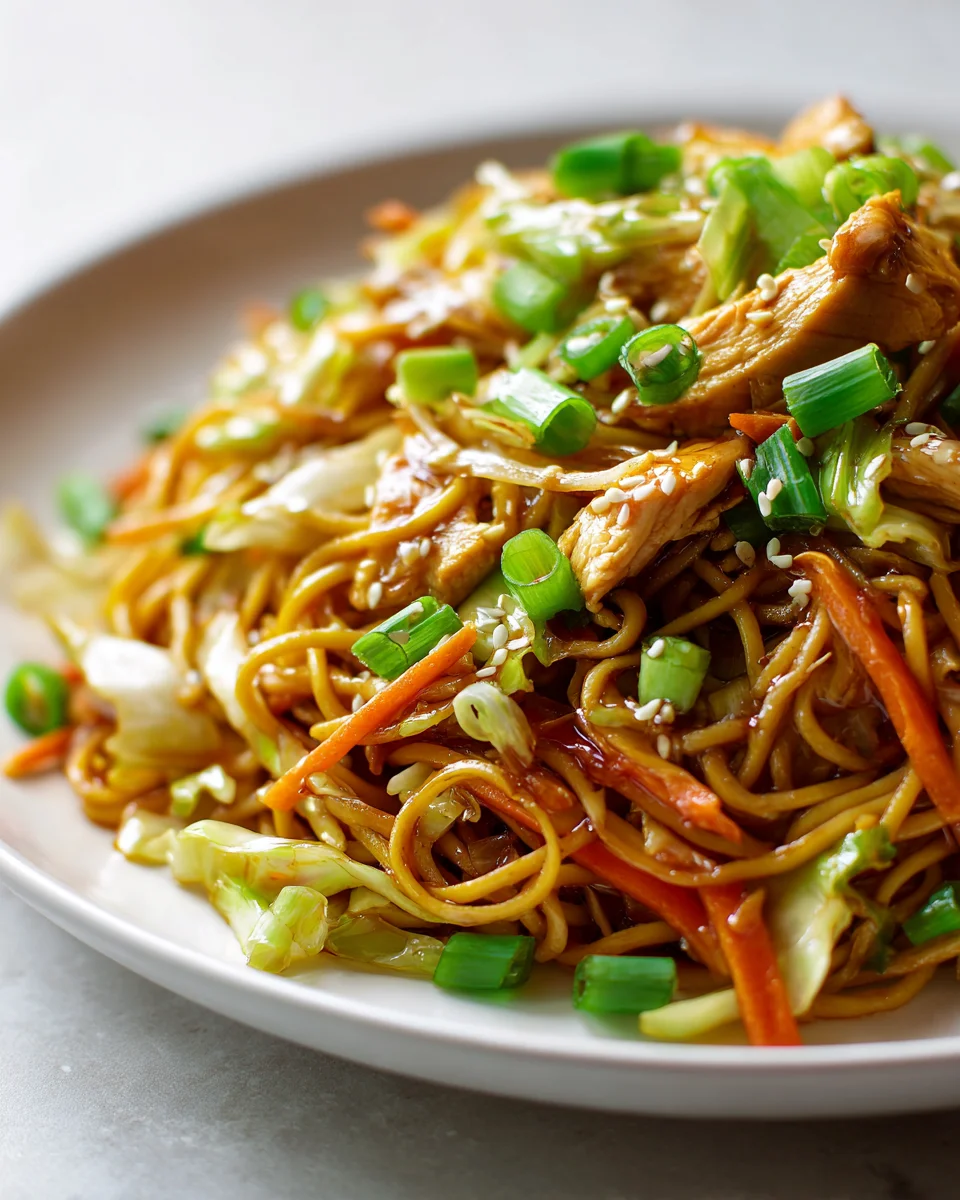
So, there you have it – your incredible homemade Chicken Chow Mein! I really think this recipe is an absolute must-try for anyone who loves vibrant, comforting Asian flavors right in their own kitchen. The magic of this particular Chicken Chow Mein lies in its perfect balance: juicy chicken, crisp-tender vegetables, and those irresistible noodles, all tossed in a deeply savory sauce that beats any takeout. It’s a fantastic dish that proves making delicious, satisfying meals doesn’t have to be complicated. Give it a go, and I’m sure this Chicken Chow Mein will become a new favorite in your cooking repertoire!
Simple Chicken Chow Mein: Restaurant-Style Flavor at Home
- Total Time: 35 minutes
- Yield: 4 servings 1x
Description
This Chicken Chow Mein recipe brings the comforting taste of takeout right to your kitchen. Enjoy succulent chicken, crisp vegetables, and chewy noodles coated in a rich, savory sauce.
Ingredients
- Boneless, Skinless Chicken Thighs or Breasts
- 1 tablespoon of light soy sauce
- 1 teaspoon of sesame oil
- 1 tablespoon of cornstarch
- Chow Mein Noodles
- 2 tablespoons of light soy sauce
- 1 tablespoon of dark soy sauce
- 1 tablespoon of oyster sauce (or vegetarian alternative)
- 1 teaspoon of sugar
- 1/2 teaspoon of sesame oil
- 2 tablespoons of chicken or vegetable broth (or water)
- Cabbage
- Carrots
- Celery
- Onion
- Green Onion
- Bean Sprouts
- Fresh Ginger
- Fresh Garlic
- Vegetable Oil
Instructions
- Slice your chicken (thighs or breasts) into thin, bite-sized pieces.
- In a medium bowl, combine the sliced chicken with 1 tablespoon of light soy sauce, 1 teaspoon of sesame oil, and 1 tablespoon of cornstarch. Toss well to coat every piece. Set aside for at least 15-20 minutes.
- Bring a large pot of water to a rolling boil. Add your chow mein noodles and cook according to package directions until they are al dente. Drain the noodles thoroughly in a colander and rinse them with cold water.
- Toss the drained noodles with a teaspoon of vegetable oil to prevent them from sticking together. Set aside.
- In a small bowl, combine 2 tablespoons of light soy sauce, 1 tablespoon of dark soy sauce, 1 tablespoon of oyster sauce, 1 teaspoon of sugar, 1/2 teaspoon of sesame oil, and 2 tablespoons of chicken or vegetable broth. Whisk everything together until the sugar is dissolved. Set aside.
- Thinly slice the onion, julienne the carrots, thinly slice the celery, and finely shred the cabbage. Mince your fresh ginger and garlic. Slice the green onions, separating the white and green parts. Have your bean sprouts ready.
- Heat 1-2 tablespoons of vegetable oil in a large wok or skillet over high heat until shimmering.
- Add the marinated chicken in a single layer and stir-fry for 2-3 minutes until the chicken is cooked through and lightly browned. Remove the cooked chicken from the wok and set aside.
- Add another tablespoon of oil to the wok if needed. Add the minced ginger, garlic, and the white parts of the green onions. Stir-fry for about 30 seconds until fragrant.
- Add the sliced onion, julienned carrots, and sliced celery. Stir-fry for 2-3 minutes until they start to soften slightly.
- Add the shredded cabbage and continue to stir-fry for another 1-2 minutes until the cabbage wilts down a bit.
- Return the cooked chicken to the wok with the vegetables. Add the prepared noodles to the wok.
- Pour the whisked chow mein sauce evenly over the noodles, chicken, and vegetables. Using tongs, toss everything together vigorously for 2-3 minutes.
- Finally, add the bean sprouts and the green parts of the green onions. Toss for another 30 seconds.
- Transfer your Chicken Chow Mein to serving plates and enjoy it hot!
- Prep Time: 20 mins
- Cook Time: 15 mins
- Category: Dinner
- Method: Stir-Frying
- Cuisine: Chinese
Nutrition
- Serving Size: 1 bowl
- Calories: 450
- Sugar: 5 g
- Sodium: 800 mg
- Fat: 15 g
- Saturated Fat: 2 g
- Unsaturated Fat: 10 g
- Trans Fat: 0 g
- Carbohydrates: 60 g
- Fiber: 4 g
- Protein: 30 g
- Cholesterol: 70 mg
Keywords: Have all your ingredients prepped before cooking to ensure a smooth process. High heat is key for stir-frying to achieve that authentic texture.