Thai Potsticker Soup
Thai Potsticker Soup is more than just a meal; it’s a warm, comforting hug in a bowl that will utterly delight your taste buds! I truly believe this recipe is something special because it perfectly marries the satisfying heartiness of classic potstickers with the bright, complex, and utterly irresistible flavors of Thai cuisine. If you’re looking for a dish that feels both familiar and excitingly new, you’ve found your next favorite.
You’re going to absolutely adore this soup because it delivers an incredible depth of flavor without demanding hours in the kitchen. It’s perfect for a cozy weeknight dinner, yet elegant enough to impress guests. The magic really happens in that vibrant broth – think zesty lime, aromatic ginger and garlic, a hint of non-alcoholic savory notes, and just the right touch of spice, all complementing those perfectly tender beef potstickers. It’s a symphony of sweet, sour, salty, and umami that will make your palate sing.
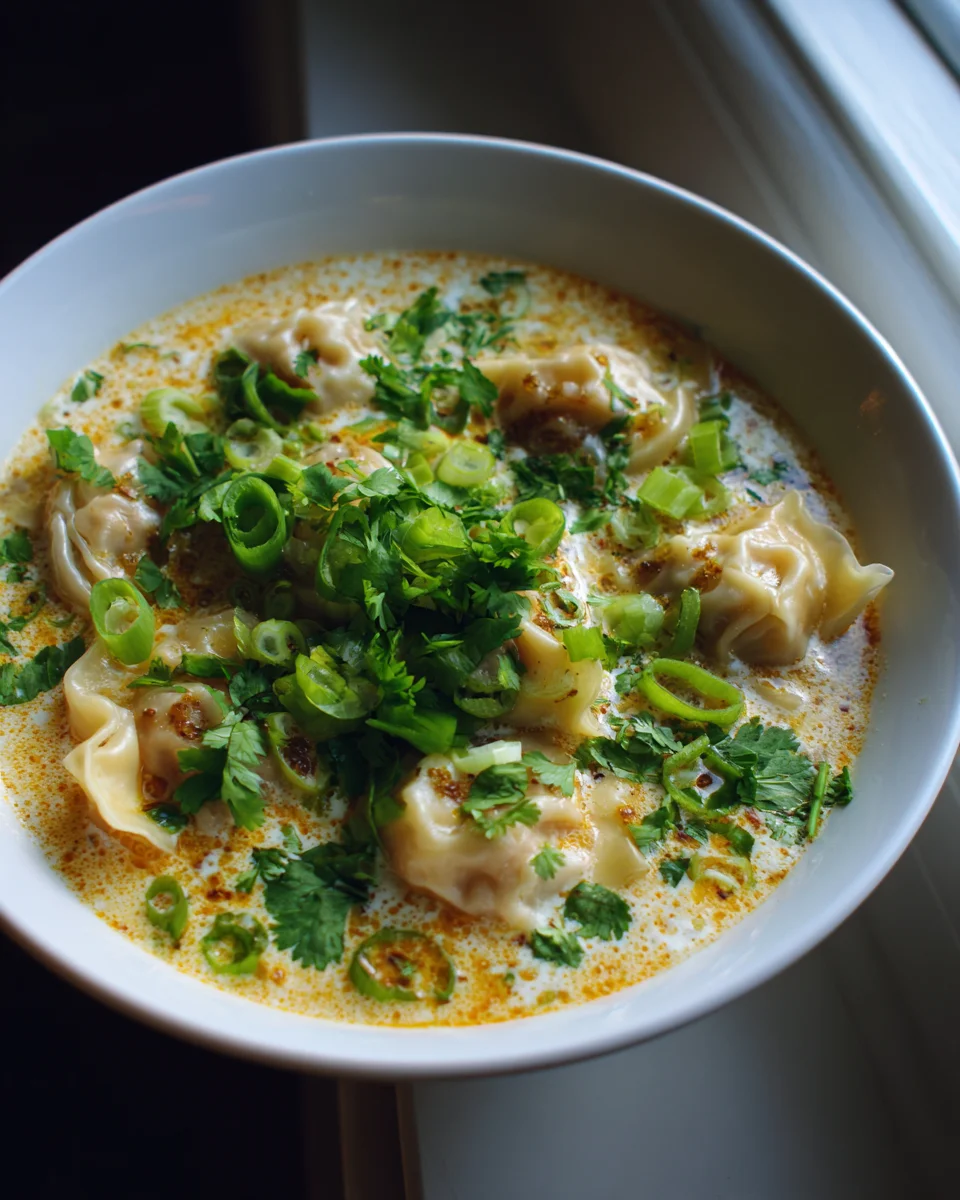
So, what exactly is this delightful creation? Picture this: plump, savory beef potstickers nestled in a shimmering, golden broth, infused with authentic Thai aromatics. We’re talking fresh herbs like cilantro, green onions, and maybe even a squeeze of fresh lime right at the end to really brighten things up. It’s a complete meal in itself – hearty, incredibly flavorful, and beautifully balanced. Get ready to dive into a bowl of pure comfort and exotic flavor!

Ingredient Notes
Crafting a delicious Thai Potsticker Soup starts with understanding the building blocks of its unique flavor profile. This isn’t just any soup; it’s a delightful fusion that brings together the comforting familiarity of potstickers with the vibrant, aromatic zest of Thai cuisine. Getting these ingredients right, or knowing suitable alternatives, is key to success.
The Potstickers
Of course, the star of our show! I highly recommend using good quality beef potstickers for this recipe. You can find them readily in the frozen section of most grocery stores. While homemade beef potstickers would be incredible, store-bought ones are perfectly convenient and delicious for a quick meal. Look for brands with savory beef fillings and relatively thin wrappers. If you prefer, you can also use vegetarian or chicken potstickers, but I find the beef pairs wonderfully with the rich Thai broth.
The Broth Base
For the liquid foundation, I typically opt for low-sodium chicken broth or vegetable broth. Using low-sodium allows you to control the saltiness later, especially since ingredients like fish sauce are inherently salty. A good quality broth makes a huge difference, providing a rich backdrop for all the Thai flavors to shine.
Thai Aromatics and Flavor Bombs
- Fresh Ginger: Essential for that warm, spicy zing. I like to use about a thumb-sized piece, minced or grated.
- Garlic: Another non-negotiable aromatic. Freshly minced garlic provides a much more potent and pleasant flavor than garlic powder.
- Lemongrass: This is where the “Thai” truly starts to come through. I typically use 1-2 stalks, trimmed, outer layers removed, and then bruised or finely minced. The citrusy, floral notes are irreplaceable. If fresh is unavailable, you can sometimes find frozen lemongrass paste, but fresh is always best.
- Red Curry Paste: This paste is a powerhouse of flavor, packing chili, galangal, lemongrass, kaffir lime peel, and more. It’s crucial for the authentic Thai heat and depth. Adjust the amount to your spice preference. Start with a tablespoon and add more if you dare!
- Fish Sauce: The quintessential Thai seasoning. Don’t skip this! It adds a deep, savory umami that salt alone can’t replicate. While it might smell strong from the bottle, it transforms beautifully in the soup.
- Lime Juice: Freshly squeezed lime juice is vital for balancing the richness and spiciness with a bright, tangy finish. Add it at the very end to preserve its vibrant flavor.
- Coconut Milk: While optional, a touch of full-fat coconut milk adds a wonderful creaminess and mellows the spice, giving the soup a richer, more luxurious mouthfeel. Use about half a can, or more if you love creamy curries.
Veggies for Crunch and Color
I love adding a variety of vegetables to my Thai Potsticker Soup for texture and nutrients. My go-to choices include:
- Bok Choy: Its tender leaves and crisp stems are perfect. I usually chop the white stems and green leaves separately.
- Mushrooms: Sliced cremini or shiitake mushrooms add an earthy depth.
- Red Bell Pepper: Adds a touch of sweetness and beautiful color.
- Carrots: Thinly sliced or julienned carrots provide a subtle sweetness and extra crunch.
Feel free to experiment with other quick-cooking vegetables like snap peas, spinach, or even some shredded cabbage.
Garnishes
Don’t forget the finishing touches! Fresh cilantro, thinly sliced green onions, and a drizzle of chili oil (for extra heat) or a sprinkle of toasted sesame seeds elevate the presentation and add extra layers of flavor.
Step-by-Step Instructions
Let’s get cooking! This Thai Potsticker Soup comes together quite quickly, making it a perfect weeknight meal. I promise, the aromas alone will make your kitchen feel like a Thai restaurant.
-
Prep Your Potstickers: First things first, get those beef potstickers ready. While the broth simmers, you can pan-fry them according to package directions until golden brown and crispy on one side. This step adds a fantastic textural contrast to the soft potstickers in the soup. Set them aside once cooked.
-
Aromatics Awaken: In a large pot or Dutch oven, heat a tablespoon of neutral oil (like canola or vegetable oil) over medium heat. Add your minced ginger, garlic, and bruised or minced lemongrass. Sauté for about 1-2 minutes until fragrant, being careful not to burn the garlic.
-
Curry Paste Sizzle: Stir in the red curry paste. Cook it for another minute, stirring constantly, to bloom its flavors. This step is crucial for intensifying the spice and aroma of the curry paste. Your kitchen should start smelling incredible right about now!
-
Build the Broth: Pour in your chicken or vegetable broth. Stir well to ensure the curry paste is fully dissolved. Add the fish sauce and, if using, the coconut milk. Bring the soup to a gentle simmer.
-
Add the Veggies: Once the broth is simmering, add your harder vegetables first, such as sliced carrots and bell peppers. Let them cook for 3-4 minutes until they start to soften slightly. Then, add the sliced mushrooms and the white stems of your bok choy. Continue to simmer for another 2-3 minutes.
-
Potstickers and Final Greens: Gently add your cooked beef potstickers to the simmering soup. If you didn’t pan-fry them, you can add them directly to the broth here; they will cook through in about 5-7 minutes. Stir in the green leaves of your bok choy. Cook for just 1-2 minutes more, until the bok choy leaves are wilted and the potstickers are heated through (if you pan-fried them) or fully cooked (if raw).
-
Season and Serve: Remove the pot from the heat. Stir in the fresh lime juice. Now, taste the soup and adjust the seasonings. You might want a little more fish sauce for umami, a pinch of sugar to balance the flavors, or more curry paste for extra heat. Ladle the hot soup into bowls and garnish generously with fresh cilantro and sliced green onions. A drizzle of chili oil is always a welcome addition for those who love an extra kick!
Tips & Suggestions
Making Thai Potsticker Soup is a delightful culinary journey, and a few insider tips can elevate your experience from good to absolutely unforgettable. I’ve learned these lessons through plenty of trial and error, and I’m happy to share them with you!
-
Don’t Overcook the Potstickers: This is probably my top tip! Whether you pan-fry them first or cook them directly in the broth, beef potstickers can quickly turn mushy if left in the simmering soup for too long. If you pan-fried them, just add them for the last few minutes to heat through. If cooking from frozen directly in the soup, follow package instructions but err on the side of slightly undercooked rather than overcooked. I often boil them separately in water for 2-3 minutes, then add them to the hot soup just before serving for perfect texture.
-
Balance Your Flavors: Thai cuisine is all about balance: sweet, sour, salty, spicy, and umami. The lime juice provides the sour, fish sauce the salty and umami, red curry paste the spicy, and a pinch of sugar (or the natural sweetness of carrots/bell peppers) can add the sweet. Always taste and adjust! I often find myself adding an extra squeeze of lime or a tiny splash more fish sauce right before serving.
-
Spice Level Control: Red curry paste can vary significantly in heat. If you’re sensitive to spice, start with half the recommended amount and add more gradually. If you love heat, feel free to add a bit more, or serve with extra chili flakes or chili oil on the side.
-
Fresh is Best for Aromatics: While powders and dried herbs have their place, for this soup, fresh ginger, garlic, and especially lemongrass make a monumental difference. Their vibrant flavors truly shine through and give the soup its authentic Thai character.
-
Make it Your Own: Feel free to customize the vegetables based on what you have on hand or what you love. Spinach, snow peas, water chestnuts, or even some thinly sliced bamboo shoots would be delicious additions. You could also swirl in an egg at the end for an egg drop soup effect.
-
Serving Suggestions: While the potstickers are quite filling, this soup is also fantastic served alongside a small bowl of steamed jasmine rice, especially if you have extra broth. For a noodle twist, you could add some pre-cooked thin rice noodles or ramen noodles directly into individual bowls before ladling the soup over them.
-
Prep Ahead: You can chop all your vegetables and mince your aromatics ahead of time. You can even make the broth base (steps 2-4) and store it in the fridge. This makes the final assembly incredibly quick, perfect for a busy weeknight.
Storage
When it comes to storing Thai Potsticker Soup, a little forethought can help maintain its deliciousness for future meals. I always consider the potstickers specifically, as they are the most delicate component for storage.
Refrigeration
Your Thai Potsticker Soup will keep well in an airtight container in the refrigerator for 3-4 days. Here’s my trick for optimal results:
-
Separate Potstickers (Recommended): If possible, store any leftover potstickers separately from the broth. Cooked potstickers tend to soak up too much liquid and become soggy if left swimming in the soup for an extended period. I usually place them in a separate small container or even freeze them individually if I made a large batch.
-
Store Broth & Veggies Together: The broth with its vegetables will store beautifully together. Make sure it’s completely cooled before transferring to an airtight container to prevent condensation and bacterial growth.
Freezing
The broth component of this soup freezes exceptionally well! This is fantastic news if you like to meal prep or simply have leftovers you don’t want to waste.
-
Broth Only: I recommend freezing just the broth and cooked vegetables. Ladle the cooled soup (without potstickers) into freezer-safe containers or heavy-duty freezer bags. Leave about an inch of headspace if using containers, as liquids expand when frozen. It can be frozen for up to 2-3 months.
-
Potstickers & Freezing: Cooked potstickers can technically be frozen, but their texture might suffer when reheated, becoming a bit chewier or softer. If you do freeze them with the soup, they will definitely be softer upon reheating. My preference is to cook fresh potstickers when reheating the soup from frozen, or pan-fry any leftover potstickers fresh from the fridge.
Reheating
Reheating your Thai Potsticker Soup is straightforward:
-
From Refrigerated: Transfer the soup to a saucepan and gently reheat over medium-low heat until simmering and heated through. If you stored the potstickers separately, add them to the hot soup just before serving, or microwave them briefly and add to the bowl. Taste and adjust seasonings (a fresh squeeze of lime juice always helps!).
-
From Frozen: If frozen, you can either thaw the soup overnight in the refrigerator or reheat it directly from frozen in a pot over low heat, stirring occasionally. It will take a bit longer. Once thawed and heated, proceed as you would for refrigerated soup, adding fresh potstickers if desired. Again, a quick taste test and a splash of lime juice will revive its fresh flavors.
Final Thoughts
And there you have it! I truly hope you enjoyed preparing and, most importantly, savoring this incredible Thai Potsticker Soup. What I adore about this dish is how it brings together the comforting familiarity of tender, flavorful beef potstickers with the vibrant, aromatic spices of Thai cuisine in one delightful bowl. It’s a symphony of textures and tastes, from the satisfying chew of the dumplings to the warming, fragrant broth, perfectly enhanced by your chosen non-alcohol alternatives.
Thai Potsticker Soup isn’t just a meal; it’s an experience. It’s the perfect way to warm up on a cool evening, impress your guests with something unique yet universally loved, or simply treat yourself to a gourmet-quality meal that’s surprisingly achievable at home. I promise, once you’ve tried this delightful fusion, it will quickly become a cherished favorite in your kitchen. So go on, dive into a bowl and let the deliciousness speak for itself!
Delicious Thai Beef Potsticker Soup – Quick & Easy
- Total Time: 45 minutes
- Yield: 4 servings
Description
Experience the comforting warmth of Thai Potsticker Soup, a delightful fusion of savory beef potstickers and vibrant Thai flavors. This quick and easy recipe is perfect for a cozy weeknight dinner or an impressive meal for guests.
Ingredients
- beef potstickers
- low-sodium chicken broth
- vegetable broth
- fresh ginger
- garlic
- lemongrass
- red curry paste
- fish sauce
- lime juice
- full-fat coconut milk
- bok choy
- mushrooms
- red bell pepper
- carrots
- cilantro
- green onions
- chili oil
- toasted sesame seeds
Instructions
- Prep Your Potstickers: First things first, get those beef potstickers ready. While the broth simmers, you can pan-fry them according to package directions until golden brown and crispy on one side. This step adds a fantastic textural contrast to the soft potstickers in the soup. Set them aside once cooked.
- Aromatics Awaken: In a large pot or Dutch oven, heat a tablespoon of neutral oil (like canola or vegetable oil) over medium heat. Add your minced ginger, garlic, and bruised or minced lemongrass. Sauté for about 1-2 minutes until fragrant, being careful not to burn the garlic.
- Curry Paste Sizzle: Stir in the red curry paste. Cook it for another minute, stirring constantly, to bloom its flavors. This step is crucial for intensifying the spice and aroma of the curry paste. Your kitchen should start smelling incredible right about now!
- Build the Broth: Pour in your chicken or vegetable broth. Stir well to ensure the curry paste is fully dissolved. Add the fish sauce and, if using, the coconut milk. Bring the soup to a gentle simmer.
- Add the Veggies: Once the broth is simmering, add your harder vegetables first, such as sliced carrots and bell peppers. Let them cook for 3-4 minutes until they start to soften slightly. Then, add the sliced mushrooms and the white stems of your bok choy. Continue to simmer for another 2-3 minutes.
- Potstickers and Final Greens: Gently add your cooked beef potstickers to the simmering soup. If you didn't pan-fry them, you can add them directly to the broth here; they will cook through in about 5-7 minutes. Stir in the green leaves of your bok choy. Cook for just 1-2 minutes more, until the bok choy leaves are wilted and the potstickers are heated through (if you pan-fried them) or fully cooked (if raw).
- Season and Serve: Remove the pot from the heat. Stir in the fresh lime juice. Now, taste the soup and adjust the seasonings. You might want a little more fish sauce for umami, a pinch of sugar to balance the flavors, or more curry paste for extra heat. Ladle the hot soup into bowls and garnish generously with fresh cilantro and sliced green onions. A drizzle of chili oil is always a welcome addition for those who love an extra kick!
- Prep Time: 15 mins
- Cook Time: 30 mins
- Category: Dinner
- Method: Cooking
- Cuisine: Thai
Nutrition
- Serving Size: 1 bowl
- Calories: 350
- Sugar: 5 g
- Sodium: 800 mg
- Fat: 15 g
- Saturated Fat: 10 g
- Unsaturated Fat: 5 g
- Trans Fat: 0 g
- Carbohydrates: 40 g
- Fiber: 4 g
- Protein: 15 g
- Cholesterol: 50 mg
Keywords: Don't overcook the potstickers to maintain their texture. Balance the flavors with lime juice, fish sauce, and sugar. Feel free to customize the vegetables based on your preference.