German Bee Sting Tartlets
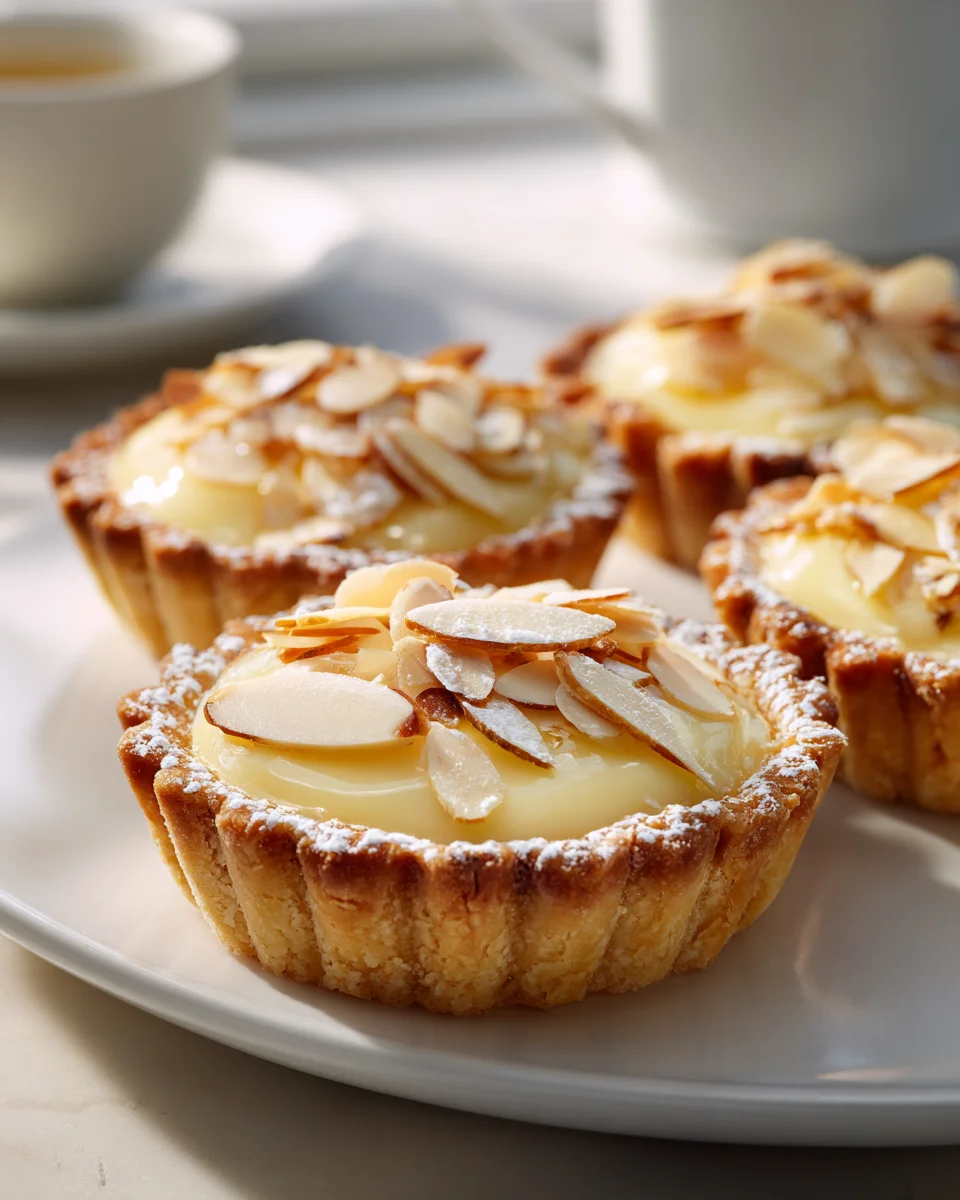
German Bee Sting Tartlets – oh my goodness, prepare yourselves for a little slice of heaven! I absolutely adore this classic German treat, and I know you will too. What makes these tartlets so incredibly special is the symphony of textures and flavors in every single bite. We’re talking about a perfectly soft, sweet yeast dough base that cradles a luscious, creamy vanilla custard. But the real showstopper? That irresistible, crunchy, golden-brown topping of caramelized almonds and honey – it’s where the “bee sting” gets its legendary name and its unforgettable charm.
I think you’ll fall head over heels for these because they’re a delightful twist on a beloved German cake, transformed into individual, elegant tartlets. They’re perfect for sharing (or, let’s be honest, not sharing!), make an impressive dessert for any gathering, and offer a comforting sweetness that’s truly hard to beat. Each tartlet delivers that iconic sweet, nutty, creamy, and soft experience, all neatly packaged for pure enjoyment. Get ready to impress and delight with these charming little masterpieces of German baking!

Ingredient Notes
Creating these delightful German Bee Sting Tartlets starts with understanding the building blocks. I find that using quality ingredients really makes a difference in the final taste and texture, especially for a classic like this!
- All-Purpose Flour: This forms the base of our sweet yeast dough. I’ve found that a good quality all-purpose flour works perfectly for achieving that soft, pillowy texture. While you could experiment with a bread flour for a chewier dough, I stick to all-purpose for a tender tartlet.
- Active Dry Yeast: Essential for our dough to rise beautifully. Make sure your yeast is fresh! I always proof mine first in warm milk to ensure it’s active – there’s nothing worse than a dough that doesn’t rise. If you’re using instant yeast, you can often mix it directly with the dry ingredients, but I still prefer proofing for peace of mind.
- Milk: Full-fat milk is my go-to for both the dough and the vanilla cream filling. It lends a wonderful richness and helps create a tender crumb in the dough. For a dairy-free alternative, unsweetened almond or soy milk can be used, though the texture of the dough might be slightly different.
- Unsalted Butter: We use butter in all three components: the dough for tenderness, the almond topping for its rich flavor and caramelization, and a touch in the vanilla cream for silkiness. Unsalted butter allows us to control the salt content precisely. If using salted butter, just reduce any added salt in the recipe slightly. For a dairy-free option, use a good quality plant-based butter alternative.
- Granulated Sugar: This sweetens the dough, the almond topping, and the vanilla cream. For a finer texture in the cream, sometimes I’ll use a portion of confectioners’ sugar.
- Eggs: Eggs add richness, structure, and a beautiful golden color to both our yeast dough and are key for thickening the luscious vanilla cream filling. I use large eggs for consistency.
- Sliced Almonds: These are the star of our iconic topping! Thinly sliced almonds are crucial for that signature crunchy, caramelized layer. Don’t use whole or slivered almonds here, as they won’t provide the same delicate crunch.
- Heavy Cream (or more milk): A splash of heavy cream in the almond topping mixture helps create that lovely, sticky caramel coating. If you don’t have heavy cream, a bit more milk will work in a pinch, but the topping might be slightly less rich.
- Cornstarch (or Vanilla Pudding Powder): This is our thickening agent for the vanilla cream. It ensures a smooth, stable, and perfectly spoonable custard. German vanilla pudding powder (like Dr. Oetker Original Pudding Vanilla) is also an excellent choice and often contains cornstarch, offering a convenient shortcut with great flavor.
- Vanilla Extract or Bean Paste: For the most delicious vanilla cream, don’t skimp on the vanilla! I often use a good quality vanilla extract, or for an even richer flavor, vanilla bean paste.
Step-by-Step Instructions
Making German Bee Sting Tartlets is a labor of love, but each step is straightforward and incredibly rewarding. I always break it down into three main components: the dough, the cream, and the topping, then bring them all together.
Step 1: Prepare the Sweet Yeast Dough
- Proof the Yeast: In a small bowl, warm 1/2 cup of milk until it’s lukewarm (around 105-115°F or 40-46°C). Stir in 1 teaspoon of granulated sugar and then sprinkle in 2 1/4 teaspoons (one standard packet) of active dry yeast. Let it sit for 5-10 minutes until foamy, indicating the yeast is active.
- Mix Dry Ingredients: In a large mixing bowl, whisk together 2 1/2 cups all-purpose flour, 1/4 cup granulated sugar, and 1/2 teaspoon salt.
- Combine Wet and Dry: Make a well in the center of the dry ingredients. Add the proofed yeast mixture, 1 large egg (lightly beaten), and 1/4 cup melted unsalted butter (cooled slightly).
- Knead the Dough: Mix with a wooden spoon or a stand mixer with a dough hook until a shaggy dough forms. Turn it out onto a lightly floured surface and knead for 8-10 minutes, or use a stand mixer for 5-7 minutes, until the dough is smooth, elastic, and no longer sticky.
- First Rise: Lightly grease a clean bowl. Place the dough in the bowl, turning once to coat. Cover with plastic wrap or a clean kitchen towel and let it rise in a warm, draft-free place for 1 to 1.5 hours, or until doubled in size.
Step 2: Shape the Tartlets and Prepare for Baking
- Punch Down and Divide: Once risen, gently punch down the dough to release the air. Divide the dough into 12 equal pieces.
- Form Tartlet Shells: Lightly grease a 12-cup standard muffin tin or individual tartlet molds. Take each piece of dough and press it evenly into the bottom and up the sides of each muffin cup or mold, creating a shallow cup for the filling later.
- Second Rise: Cover the muffin tin/molds loosely with plastic wrap and let the dough rise again in a warm place for about 30-45 minutes, or until visibly puffy.
Step 3: Make the Caramelized Almond Topping
I often make this while the dough is on its second rise, or just before baking.
- Melt Ingredients: In a small saucepan over medium heat, combine 1/2 cup sliced almonds, 1/4 cup unsalted butter, 1/4 cup granulated sugar, and 2 tablespoons heavy cream (or milk).
- Cook to Golden: Bring the mixture to a gentle boil, stirring constantly. Reduce heat to low and simmer for 2-3 minutes, stirring occasionally, until the mixture thickens slightly and the almonds are lightly golden and fragrant. Be careful not to burn them! Remove from heat and let it cool slightly.
Step 4: Bake the Tartlets
- Preheat Oven: Preheat your oven to 375°F (190°C).
- Apply Topping: Spoon the slightly cooled almond topping evenly over the risen dough in each tartlet cup, spreading it gently to the edges.
- Bake: Bake for 18-22 minutes, or until the dough is golden brown and cooked through, and the almond topping is deeply golden and caramelized.
- Cool: Let the tartlets cool in the muffin tin for 5-10 minutes before carefully removing them to a wire rack to cool completely. This is crucial before filling!
Step 5: Prepare the Vanilla Cream Filling
This needs to be made ahead and chilled thoroughly. I usually do this while the dough is doing its first rise.
- Heat Milk: In a medium saucepan, gently heat 1 1/2 cups full-fat milk until steaming, but not boiling.
- Whisk Egg Mixture: In a separate medium bowl, whisk together 2 large egg yolks, 1/4 cup granulated sugar, and 3 tablespoons cornstarch (or 1 packet German vanilla pudding powder) until smooth and pale.
- Temper and Thicken: Gradually ladle about half of the hot milk into the egg yolk mixture, whisking constantly to temper the eggs. Pour the tempered egg mixture back into the saucepan with the remaining hot milk.
- Cook the Cream: Return the saucepan to medium heat and cook, whisking continuously, until the cream thickens considerably and comes to a gentle boil for 1 minute (to cook out the cornstarch taste). Remove from heat and stir in 1 teaspoon vanilla extract and 1 tablespoon unsalted butter until melted and smooth.
- Chill: Pour the cream into a clean bowl. Press plastic wrap directly onto the surface of the cream to prevent a skin from forming. Chill in the refrigerator for at least 2-3 hours, or preferably overnight, until thoroughly cold and firm.
Step 6: Assemble the Bee Sting Tartlets
Once the baked tartlet shells are completely cool and the vanilla cream is thoroughly chilled:
- Prepare Cream for Filling: Give the chilled vanilla cream a good whisk to loosen it up and make it smooth again. For neatness, I often transfer it to a piping bag fitted with a round tip.
- Fill Tartlets: Spoon or pipe a generous amount of vanilla cream into the hollow of each cooled tartlet shell.
- Serve: Arrange on a platter and serve immediately.
Tips & Suggestions
Through my many batches of these delicious tartlets, I’ve picked up a few tricks that I love to share to ensure your Bee Sting Tartlets turn out perfectly every time:
- Room Temperature Ingredients for Dough: For the best yeast dough, make sure your milk, eggs, and melted butter are all at room temperature (or specifically lukewarm for the milk). This helps the yeast activate properly and ensures a smoother, more consistent dough.
- Don’t Rush the Rise: Patience is key with yeast dough! A warm, draft-free spot is ideal for rising. If your kitchen is cool, you can try placing the covered bowl in a slightly warm (but turned off) oven or near a sunny window. A slow rise often leads to a more flavorful dough.
- Achieving Perfect Vanilla Cream: When making the cream, whisk constantly, especially when tempering the eggs and when cooking the mixture on the stove. This prevents lumps and ensures a silky-smooth consistency. Don’t be afraid to cook it until it’s quite thick, almost like a soft pudding, as it will firm up further when chilled.
- Cooling is Crucial: Both the baked tartlet shells and the vanilla cream must be completely cool before assembly. If the shells are warm, the cream will melt. If the cream isn’t fully chilled, it won’t hold its shape beautifully.
- Even Topping Distribution: When spooning the almond topping onto the dough, try to distribute it as evenly as possible. This ensures each tartlet gets a consistent crunch and caramelization.
- Serving Fresh: While these tartlets store well for a couple of days, I find they are absolutely at their best when served within a few hours of assembly. The almond topping is crunchiest then, and the cream is perfectly set.
- Flavor Boost: For an extra layer of flavor, a tiny splash of almond extract (about 1/4 teaspoon) can be added to the dough or the vanilla cream. It complements the almonds beautifully but use sparingly, as it’s quite potent!
Storage
Since these German Bee Sting Tartlets contain a creamy filling, proper storage is essential to maintain their freshness and safety.
- Refrigeration is Key: Any assembled tartlets must be stored in an airtight container in the refrigerator. The vanilla cream filling is perishable and needs to be kept cold.
- Shelf Life: When properly refrigerated, the tartlets will generally keep for 2-3 days. After this time, the topping may start to soften, and the cream might lose some of its fresh texture.
- Best Served Fresh: As mentioned, these are truly at their peak when enjoyed on the day they are assembled. The crispness of the almond topping is incomparable then.
- Freezing: I don’t recommend freezing the assembled tartlets. The texture of the vanilla cream can become grainy, and the caramelized almond topping can lose its crunch and become chewy upon thawing. If you wish to freeze components, you could freeze the unbaked dough (wrapped tightly) for up to a month, or the baked, unfilled tartlet shells, but not the filled dessert.
Final Thoughts
And there you have it! I truly hope you’ve enjoyed this journey to creating your very own German Bee Sting Tartlets. There’s something truly magical about these little pastries – the way the light, fluffy yeast dough cradles that rich, creamy vanilla custard filling, all crowned with those perfectly toasted, sweet almond flakes. It’s a symphony of textures and flavors that simply sings of comfort and celebration, making it an absolute must-try for any dessert lover.
These aren’t just any tartlets; they are a delightful escape, a taste of German baking tradition made perfectly accessible for your kitchen. Whether you’re sharing them with loved ones or savoring one all to yourself with a warm cup of coffee or a refreshing non-alcohol alternative, the German Bee Sting Tartlets are guaranteed to bring a smile to every face. So go ahead, treat yourself and your family to this wonderfully unique and utterly irresistible dessert. You absolutely deserve to experience the joy of biting into one!
German Bee Sting Tartlets: Sweet Almond & Creamy Vanilla Delight
- Total Time: 2 hours 30 minutes
- Yield: 12 tartlets 1x
Description
Indulge in these delightful German Bee Sting Tartlets, featuring a soft yeast dough filled with creamy vanilla custard and topped with caramelized almonds. Perfect for sharing or savoring alone, these tartlets are a true treat for any dessert lover.
Ingredients
- 2 1/2 cups all-purpose flour
- 1/4 cup granulated sugar
- 1/2 teaspoon salt
- 1/2 cup milk (lukewarm)
- 1 teaspoon granulated sugar (for proofing yeast)
- 2 1/4 teaspoons active dry yeast
- 1 large egg (lightly beaten)
- 1/4 cup unsalted butter (melted and cooled)
- 1/2 cup sliced almonds
- 1/4 cup unsalted butter (for topping)
- 1/4 cup granulated sugar (for topping)
- 2 tablespoons heavy cream (or milk, for topping)
- 1 1/2 cups full-fat milk (for vanilla cream)
- 2 large egg yolks
- 1/4 cup granulated sugar (for vanilla cream)
- 3 tablespoons cornstarch (or 1 packet German vanilla pudding powder)
- 1 teaspoon vanilla extract
- 1 tablespoon unsalted butter (for vanilla cream)
Instructions
- Proof the Yeast: In a small bowl, warm 1/2 cup of milk until it's lukewarm (around 105-115°F or 40-46°C). Stir in 1 teaspoon of granulated sugar and then sprinkle in 2 1/4 teaspoons of active dry yeast. Let it sit for 5-10 minutes until foamy, indicating the yeast is active.
- Mix Dry Ingredients: In a large mixing bowl, whisk together 2 1/2 cups all-purpose flour, 1/4 cup granulated sugar, and 1/2 teaspoon salt.
- Combine Wet and Dry: Make a well in the center of the dry ingredients. Add the proofed yeast mixture, 1 large egg, and 1/4 cup melted unsalted butter.
- Knead the Dough: Mix with a wooden spoon or a stand mixer with a dough hook until a shaggy dough forms. Turn it out onto a lightly floured surface and knead for 8-10 minutes, or use a stand mixer for 5-7 minutes, until the dough is smooth, elastic, and no longer sticky.
- First Rise: Lightly grease a clean bowl. Place the dough in the bowl, turning once to coat. Cover with plastic wrap or a clean kitchen towel and let it rise in a warm place for 1 to 1.5 hours, or until doubled in size.
- Punch Down and Divide: Once risen, gently punch down the dough to release the air. Divide the dough into 12 equal pieces.
- Form Tartlet Shells: Lightly grease a 12-cup standard muffin tin or individual tartlet molds. Take each piece of dough and press it evenly into the bottom and up the sides of each muffin cup or mold.
- Second Rise: Cover the muffin tin/molds loosely with plastic wrap and let the dough rise again in a warm place for about 30-45 minutes, or until visibly puffy.
- Make the Caramelized Almond Topping: In a small saucepan over medium heat, combine 1/2 cup sliced almonds, 1/4 cup unsalted butter, 1/4 cup granulated sugar, and 2 tablespoons heavy cream. Bring the mixture to a gentle boil, stirring constantly. Reduce heat to low and simmer for 2-3 minutes until thickened and the almonds are lightly golden. Remove from heat and let it cool slightly.
- Preheat Oven: Preheat your oven to 375°F (190°C).
- Apply Topping: Spoon the slightly cooled almond topping evenly over the risen dough in each tartlet cup.
- Bake: Bake for 18-22 minutes, or until the dough is golden brown and cooked through, and the almond topping is deeply golden.
- Cool: Let the tartlets cool in the muffin tin for 5-10 minutes before carefully removing them to a wire rack to cool completely.
- Prepare Vanilla Cream Filling: In a medium saucepan, gently heat 1 1/2 cups full-fat milk until steaming. In a separate bowl, whisk together 2 large egg yolks, 1/4 cup granulated sugar, and 3 tablespoons cornstarch until smooth. Gradually ladle about half of the hot milk into the egg yolk mixture, whisking constantly. Pour the tempered egg mixture back into the saucepan with the remaining hot milk. Cook, whisking continuously, until thickened and comes to a gentle boil for 1 minute. Remove from heat and stir in 1 teaspoon vanilla extract and 1 tablespoon unsalted butter until melted and smooth. Chill in the refrigerator for at least 2-3 hours.
- Assemble the Tartlets: Once the tartlet shells are cool and the vanilla cream is chilled, whisk the cream to loosen it. Spoon or pipe a generous amount of vanilla cream into each tartlet shell. Serve immediately.
- Prep Time: 2 hours
- Cook Time: 30 minutes
- Category: Dessert
- Method: Baking
- Cuisine: German
Nutrition
- Serving Size: 1 tartlet
- Calories: 250
- Sugar: 15 g
- Sodium: 100 mg
- Fat: 12 g
- Saturated Fat: 7 g
- Unsaturated Fat: 3 g
- Trans Fat: 0 g
- Carbohydrates: 30 g
- Fiber: 1 g
- Protein: 4 g
- Cholesterol: 50 mg
Keywords: Ensure all ingredients for the dough are at room temperature for best results. Patience is key during the rising process for the yeast dough. The tartlets are best served fresh, ideally within a few hours of assembly.