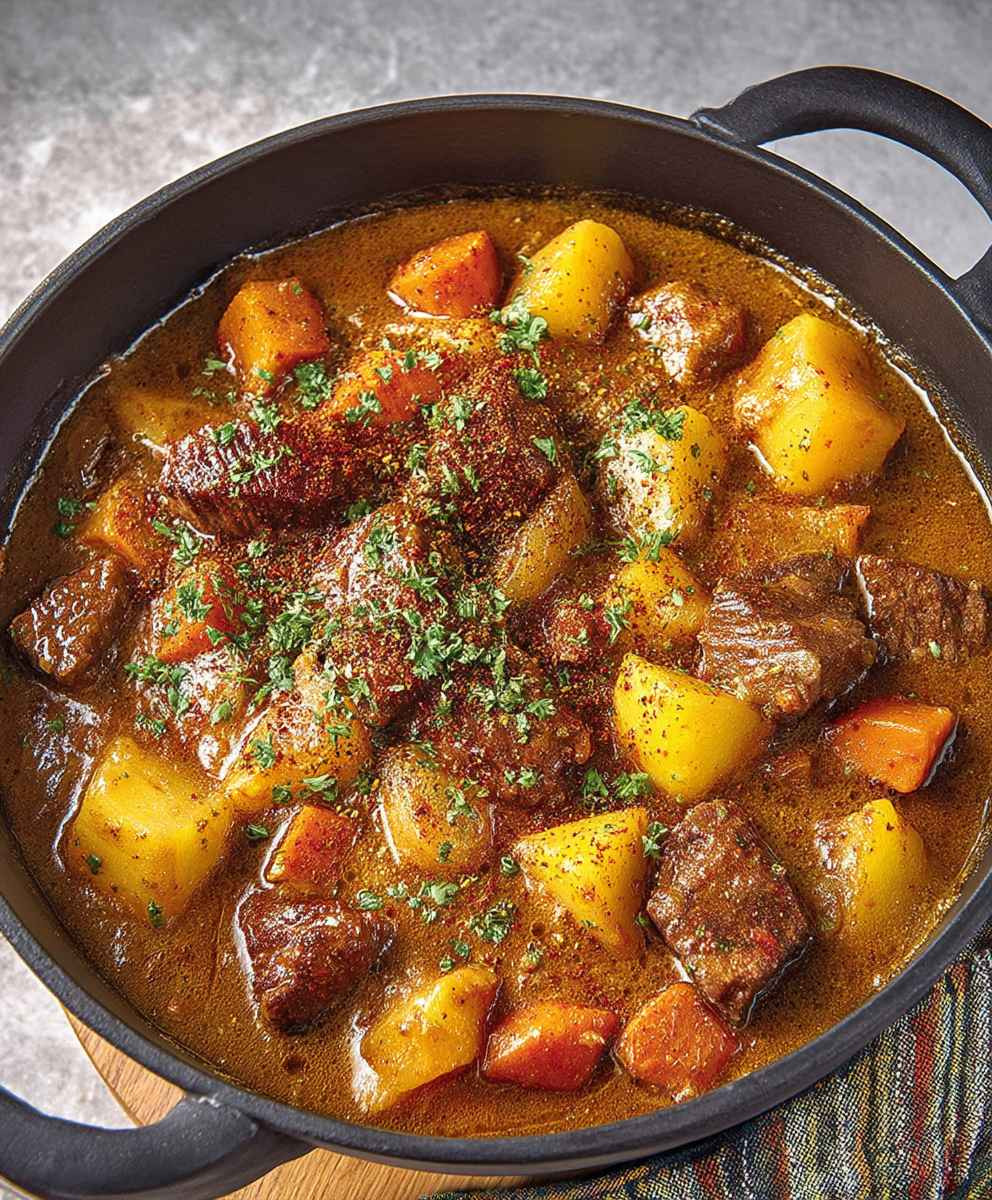
Classic Beef Stew: the very words conjure up images of cozy evenings, crackling fireplaces, and the comforting aroma of a hearty meal simmering on the stove. Have you ever craved a dish that feels like a warm hug from the inside out? This is it! Forget complicated recipes and fussy ingredients; we’re diving headfirst into a timeless culinary tradition that has nourished families for generations.
Beef stew, in its various forms, has been a staple in cultures around the world for centuries. From the humble peasant kitchens of Europe to the bustling chuckwagons of the American West, a slow-cooked stew was a way to make the most of tougher cuts of meat and whatever vegetables were on hand. It’s a testament to resourcefulness and the power of simple ingredients transformed into something truly special.
What is it about classic beef stew that makes it so universally loved? It’s the perfect combination of tender, melt-in-your-mouth beef, perfectly cooked vegetables, and a rich, savory gravy that clings to every spoonful. It’s the kind of dish that satisfies on so many levels – the deep, umami flavors, the comforting textures, and the sheer convenience of a one-pot meal. Plus, it’s incredibly versatile! Feel free to adapt it to your own tastes and preferences, adding your favorite vegetables or a splash of wine for extra depth. Let’s get cooking!

Ingredients:
- 2 lbs beef chuck, cut into 1-inch cubes
- 2 tablespoons olive oil
- 1 large onion, chopped
- 2 carrots, peeled and chopped
- 2 celery stalks, chopped
- 4 cloves garlic, minced
- 2 tablespoons tomato paste
- 1 teaspoon dried thyme
- 1 teaspoon dried rosemary
- 1/2 teaspoon smoked paprika
- 1/4 teaspoon black pepper
- 1/4 cup all-purpose flour
- 6 cups beef broth
- 1 cup dry red wine (optional, but recommended!)
- 2 bay leaves
- 1 lb Yukon Gold potatoes, peeled and cubed
- 1 lb baby potatoes, halved
- 1 cup frozen peas
- 1 tablespoon Worcestershire sauce
- Salt to taste
- Fresh parsley, chopped, for garnish
Preparing the Beef and Vegetables:
- Prepare the Beef: First, pat the beef chuck cubes dry with paper towels. This is crucial for getting a good sear. Season generously with salt and pepper.
- Sear the Beef: Heat the olive oil in a large, heavy-bottomed pot or Dutch oven over medium-high heat. You want the pot to be nice and hot before adding the beef. Add the beef in batches, being careful not to overcrowd the pot. Overcrowding will lower the temperature and cause the beef to steam instead of sear. Sear each batch on all sides until nicely browned, about 3-4 minutes per side. Remove the seared beef from the pot and set aside.
- Sauté the Aromatics: Reduce the heat to medium and add the chopped onion, carrots, and celery to the pot. Sauté until the vegetables are softened and slightly caramelized, about 8-10 minutes. Stir occasionally to prevent burning. The goal here is to build a flavorful base for the stew.
- Add Garlic and Spices: Add the minced garlic, tomato paste, dried thyme, dried rosemary, smoked paprika, and black pepper to the pot. Cook for another minute, stirring constantly, until fragrant. This step is important because it allows the spices to bloom and release their flavors.
- Deglaze the Pot: Sprinkle the all-purpose flour over the vegetables and spices. Cook for 1-2 minutes, stirring constantly, to create a roux. This will help thicken the stew. Gradually pour in the beef broth, scraping the bottom of the pot to loosen any browned bits (fond). These browned bits are packed with flavor and will add depth to the stew.
Simmering the Stew:
- Combine Ingredients: Return the seared beef to the pot. Add the red wine (if using) and bay leaves. Bring the mixture to a simmer, then reduce the heat to low, cover the pot, and simmer for at least 2-3 hours, or until the beef is very tender. The longer you simmer the stew, the more flavorful it will become. Check the stew periodically and add more beef broth if needed to maintain the desired consistency.
- Add Potatoes: After the beef has simmered for at least 2 hours, add the cubed Yukon Gold potatoes and halved baby potatoes to the pot. Continue to simmer, covered, for another 30-45 minutes, or until the potatoes are tender.
- Add Final Touches: Stir in the frozen peas and Worcestershire sauce. Cook for another 5 minutes, or until the peas are heated through. Taste and adjust the seasoning with salt as needed. Remember that the flavors will continue to meld as the stew sits, so don’t be afraid to be generous with the salt.
Serving the Stew:
- Remove Bay Leaves: Before serving, remove the bay leaves from the stew.
- Garnish and Serve: Ladle the stew into bowls and garnish with fresh chopped parsley. Serve hot with crusty bread for dipping.
Tips for the Best Beef Stew:
- Choose the Right Cut of Beef: Beef chuck is the best cut for stew because it has a good amount of marbling, which renders down during the long cooking time and makes the beef incredibly tender and flavorful.
- Don’t Skip the Searing: Searing the beef is essential for developing a rich, deep flavor. It creates a Maillard reaction, which is a chemical reaction between amino acids and reducing sugars that gives browned food its distinctive flavor.
- Use Good Quality Beef Broth: The quality of your beef broth will significantly impact the flavor of the stew. If possible, use homemade beef broth or a high-quality store-bought broth.
- Add Red Wine (Optional but Recommended): Red wine adds depth and complexity to the stew. Choose a dry red wine, such as Cabernet Sauvignon, Merlot, or Pinot Noir.
- Simmer Low and Slow: Simmering the stew low and slow is key to tenderizing the beef and developing a rich, flavorful broth.
- Adjust the Seasoning: Taste the stew frequently and adjust the seasoning with salt and pepper as needed.
- Make it Ahead: Beef stew is even better the next day, as the flavors have had time to meld together. You can make it ahead of time and store it in the refrigerator for up to 3 days.
- Freeze for Later: Beef stew freezes well. Allow the stew to cool completely before transferring it to freezer-safe containers. Freeze for up to 3 months. Thaw overnight in the refrigerator before reheating.
- Add Other Vegetables: Feel free to add other vegetables to the stew, such as parsnips, turnips, or mushrooms.
- Serve with a Side: Beef stew is delicious served with crusty bread, mashed potatoes, or rice.
Variations:
- Irish Beef Stew: Substitute Guinness for the red wine and add pearl barley to the stew.
- Beef Bourguignon: Use Burgundy wine and add bacon or pancetta to the stew.
- Spicy Beef Stew: Add a pinch of cayenne pepper or a chopped jalapeño to the stew.
- Vegetarian Beef Stew: Substitute mushrooms or lentils for the beef and use vegetable broth instead of beef broth.
Troubleshooting:
- Stew is Too Thin: If the stew is too thin, you can thicken it by simmering it uncovered for a longer period of time, or by adding a cornstarch slurry (1 tablespoon cornstarch mixed with 2 tablespoons cold water).
- Stew is Too Thick: If the stew is too thick, you can thin it by adding more beef broth.
- Beef is Not Tender: If the beef is not tender after simmering for the recommended time, continue to simmer it until it is tender. The cooking time will vary depending on the quality of the beef.
- Stew is Too Salty: If the stew is too salty, you can add a peeled potato to the stew and simmer it for 30 minutes. The potato will absorb some of the salt. Remove the potato before serving.
Conclusion:
This Classic Beef Stew isn’t just another recipe; it’s a warm hug on a cold day, a comforting bowl of nostalgia, and a guaranteed crowd-pleaser all rolled into one. The deep, rich flavors, the tender beef, and the perfectly cooked vegetables combine to create a symphony of deliciousness that you simply have to experience for yourself. I truly believe this stew will become a staple in your household, just as it has in mine.
But why is this particular beef stew a must-try? It’s all about the depth of flavor we achieve through careful browning, layering of aromatics, and a long, slow simmer. This isn’t a quick weeknight meal, but the hands-off cooking time allows the flavors to meld and intensify, resulting in a stew that’s far greater than the sum of its parts. The hearty vegetables add sweetness and texture, while the beef becomes incredibly tender and succulent. It’s a truly satisfying and complete meal.
And the best part? It’s incredibly versatile! While I love serving it as is, ladled generously into bowls with a crusty piece of bread for dipping, there are so many ways to customize it to your liking. For a richer flavor, try adding a tablespoon of tomato paste along with the onions and garlic. A splash of red wine vinegar at the end brightens the flavors and adds a touch of acidity.
Serving Suggestions and Variations:
* Over Mashed Potatoes: For an extra comforting meal, serve the stew over a bed of creamy mashed potatoes.
* With Dumplings: Top the stew with homemade or store-bought dumplings during the last 30 minutes of cooking for a hearty and satisfying twist.
* In a Bread Bowl: Hollow out a round loaf of bread and fill it with the stew for a fun and rustic presentation.
* Spicy Kick: Add a pinch of red pepper flakes or a diced jalapeño to the stew for a touch of heat.
* Vegetarian Option: Substitute the beef with hearty mushrooms like cremini or portobello for a delicious vegetarian version. You can also add lentils for extra protein.
* Root Vegetable Medley: Experiment with different root vegetables like parsnips, turnips, or sweet potatoes for a unique flavor profile.
Don’t be afraid to experiment and make this Classic Beef Stew your own! I encourage you to get creative with the ingredients and seasonings to create a stew that perfectly suits your taste.
I’m so confident that you’ll love this recipe, and I can’t wait to hear about your experience. Once you’ve tried it, please come back and leave a comment below, letting me know what you thought. Did you make any modifications? What did you serve it with? Your feedback is invaluable, and it helps other readers discover new and exciting ways to enjoy this classic dish. So, gather your ingredients, put on some music, and get ready to create a truly memorable meal. Happy cooking! I hope you enjoy this Classic Beef Stew as much as I do.
Classic Beef Stew: The Ultimate Comfort Food Recipe
Hearty beef stew with tender beef, flavorful vegetables, and a rich broth. Perfect for a cold evening!
Ingredients
Instructions
Recipe Notes
- Beef chuck is the best cut for stew because it has a good amount of marbling, which renders down during the long cooking time and makes the beef incredibly tender and flavorful.
- Searing the beef is essential for developing a rich, deep flavor.
- The quality of your beef broth will significantly impact the flavor of the stew. If possible, use homemade beef broth or a high-quality store-bought broth.
- Red wine adds depth and complexity to the stew. Choose a dry red wine, such as Cabernet Sauvignon, Merlot, or Pinot Noir.
- Simmering the stew low and slow is key to tenderizing the beef and developing a rich, flavorful broth.
- Taste the stew frequently and adjust the seasoning with salt and pepper as needed.
- Beef stew is even better the next day, as the flavors have had time to meld together. You can make it ahead of time and store it in the refrigerator for up to 3 days.
- Beef stew freezes well. Allow the stew to cool completely before transferring it to freezer-safe containers. Freeze for up to 3 months. Thaw overnight in the refrigerator before reheating.
- Feel free to add other vegetables to the stew, such as parsnips, turnips, or mushrooms.
- Beef stew is delicious served with crusty bread, mashed potatoes, or rice.