
Japanese Breakfast Bento Box With Rice, Fish, And Pickles
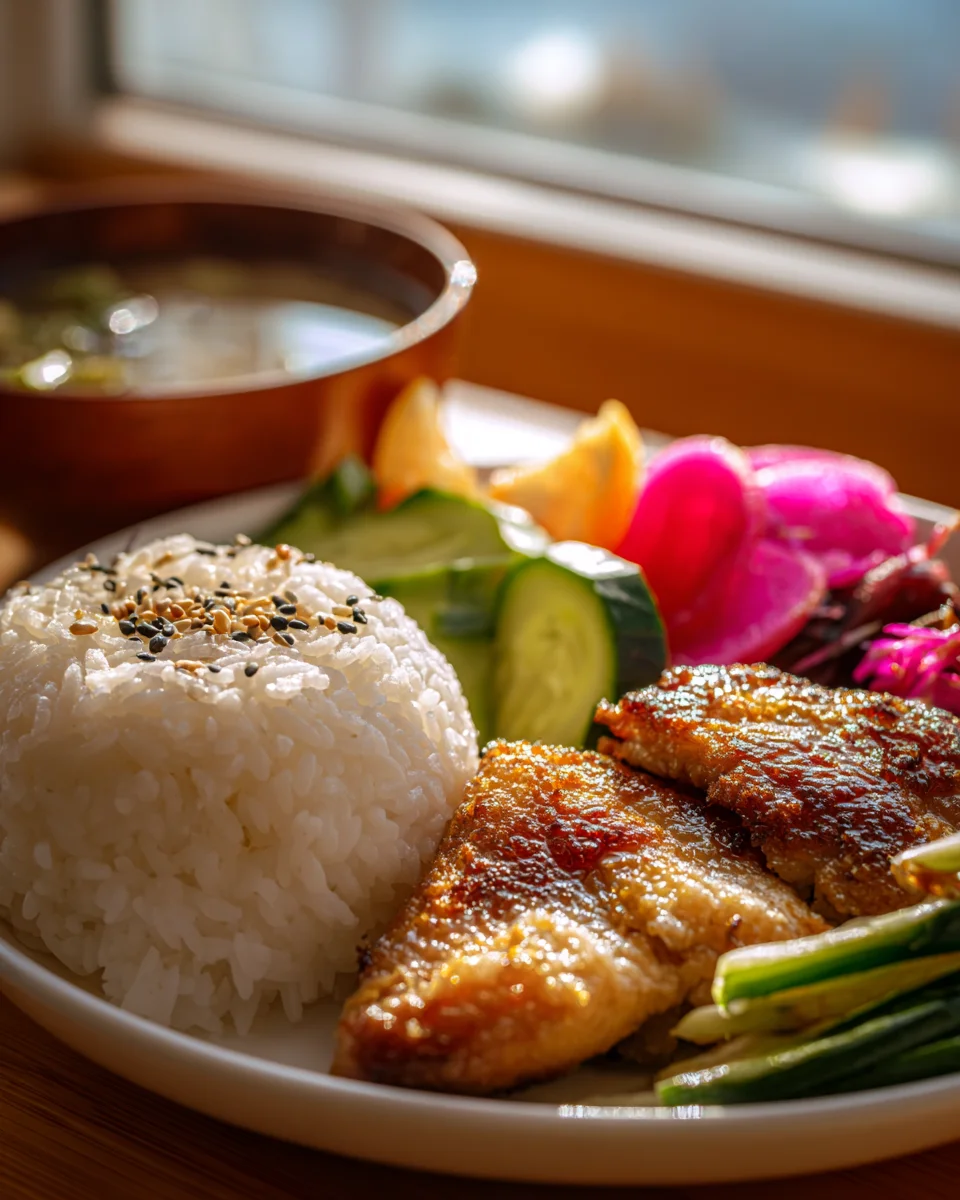
Oh, let me tell you, there’s nothing quite like starting your day with this delightful Japanese Breakfast Bento Box With Rice, Fish, And Pickles! This isn’t just any breakfast; it’s a beautifully balanced and incredibly satisfying experience that truly sets a wonderful tone for your entire day. I absolutely adore how this bento box takes simple, wholesome ingredients and elevates them into a work of art, both visually and in terms of flavor. You, my friend, are going to absolutely love it because it’s not only incredibly delicious and surprisingly simple to put together, but it also makes you feel wonderfully nourished and energized. Imagine fluffy, perfectly steamed rice, a tender, savory piece of pan-fried or grilled fish, and an assortment of vibrant, tangy pickles that cleanse the palate and add a delightful crunch. It’s a harmonious symphony of savory, umami, and refreshing tastes, all neatly packed into one appealing meal that’s perfect for a leisurely morning or even for a special weekend treat.

Ingredient Notes
When I embark on crafting a Japanese breakfast bento box, I always prioritize the foundational elements: perfectly steamed rice, a savory piece of fish, and a vibrant array of pickles. These three components are not just ingredients; they are the heart and soul of a truly authentic and satisfying morning meal. Beyond these, I love to add a few classic Japanese side dishes to round out the flavors and textures.
- Japanese Short-Grain Rice: This is, for me, utterly essential. Its characteristic stickiness, slightly sweet flavor, and soft chewiness are what make Japanese rice so special. It holds together beautifully, making it ideal for bento boxes and easy to enjoy with chopsticks. While I strongly recommend seeking out Japanese short-grain rice, a good quality medium-grain rice can be a workable substitute in a pinch, though you’ll notice a slight difference in texture. For a healthier alternative, brown short-grain rice can be used, but be aware that it will impart a nuttier flavor and chewier texture that deviates from the traditional.
- Grilled Fish (Yaki-zakana): For a breakfast bento, I typically lean towards a simple yet flavorful grilled salmon (shioyaki salmon) or mackerel. A light dusting of salt is often all that’s needed to enhance its natural deliciousness. It cooks relatively quickly, making it a convenient protein choice for a morning meal. If you’re not a fan of salmon or mackerel, any firm white fish like cod or snapper would be lovely. Alternatively, a small piece of grilled chicken or even a seasoned tofu steak can serve as an excellent protein substitute, offering different flavors and textures.
- Assorted Pickles (Tsukemono): These are far more than just a garnish; they are critical for balancing the richness of the other dishes and aiding digestion. My personal favorites include crunchy takuan (pickled daikon radish) for its tangy bite, umeboshi (pickled plum) for its distinctive sour and salty kick, and sometimes a quick batch of kyuri no asazuke (lightly pickled cucumber). Store-bought pickles are a fantastic and convenient option, especially on busy mornings. If you have time and enjoy a project, many simple pickle recipes can be prepared overnight.
- Rolled Omelet (Tamagoyaki): Though not explicitly in the main title, tamagoyaki is a quintessential bento item that I rarely omit. Its layers, often subtly sweet and savory, add wonderful color and a delightfully soft texture. It’s a hallmark of a well-prepared Japanese breakfast. If time is extremely tight, a simple fried egg could suffice, but tamagoyaki truly elevates the bento experience.
- Small Side Dish (Okazu): To introduce variety and boost the nutritional content, I often tuck in a small vegetable side. This might be blanched spinach dressed with a sesame sauce (gomae), some lightly stir-fried greens, or even a small portion of beef shigureni (simmered beef). When I prepare dishes like beef shigureni that might traditionally call for mirin or sake, I always use non-alcoholic alternatives. For mirin, I’ll use a mix of sugar with a little water or broth. For sake, a dash of rice vinegar with a pinch of sugar works well to mimic the flavor profile without the alcohol.
Step-by-Step Instructions
Creating a beautiful and delicious Japanese breakfast bento box is all about smart planning and sequential preparation. Here’s how I typically approach it, ensuring all components are fresh and ready for assembly.
- Prepare the Rice First: This is always my starting point. I begin by thoroughly washing Japanese short-grain rice until the water runs clear. Then, I soak it for about 30 minutes, which helps achieve that perfect fluffy yet sticky texture. After soaking, I cook it in my rice cooker or on the stovetop according to package directions. Once cooked, I let it rest for 10-15 minutes before fluffing it gently with a paddle. It’s crucial for the rice to be cooled to room temperature before packing into the bento box to prevent condensation and spoilage. I often cook my rice the night before.
- Cook the Main Protein (Fish or Beef):
- For Grilled Fish: If I’m making grilled salmon (shioyaki), I lightly salt the salmon fillets and let them sit for about 15-20 minutes, then pat them dry to draw out excess moisture. I then grill them in a non-stick pan, under a broiler, or on a grill pan until cooked through and nicely browned on both sides.
- For Beef Shigureni: If I opt for a beef side, like shigureni, I’ll thinly slice beef and simmer it gently in a flavorful sauce. My sauce typically consists of soy sauce, non-alcoholic mirin alternative (sugar + water/broth), and a non-alcoholic sake alternative (rice vinegar + sugar + water), along with a touch of ginger. I cook it until the liquid is mostly absorbed and the beef is tender. This can also be prepared in advance.
Just like the rice, I allow the cooked fish or beef to cool completely before packing.
- Prepare the Tamagoyaki: While the fish is cooking or cooling, I whip up my tamagoyaki. I whisk eggs with a little soy sauce, sugar, and non-alcoholic mirin alternative (sugar + water). Using a rectangular tamagoyaki pan (or a small non-stick round pan), I cook thin layers of egg, rolling each layer into the next to create a beautiful, multi-layered omelet. Once cooked, I shape it slightly and let it cool before slicing into bite-sized pieces.
- Assemble Side Dishes: I quickly prepare any other small side dishes. For blanched spinach with sesame dressing (gomae), I blanch spinach, squeeze out excess water, and toss it with a simple dressing of ground sesame seeds, soy sauce, and a touch of sugar. For pickles, I either arrange store-bought ones or prepare quick pickles like lightly salted cucumber slices.
- Pack the Bento Box: This is where the artistry comes in!
- First, I gently pack the cooled rice into one main section of the bento box.
- Next, I place the main protein (fish or beef) beside the rice.
- Then, I artfully arrange the tamagoyaki and any other side dishes, like blanched vegetables, to fill the remaining spaces. I always try to ensure a good balance of colors and textures.
- Finally, I tuck in the assorted pickles in a small section or use them as a colorful accent.
It’s important to pack the components snugly to prevent them from shifting during transport, but without squishing them.
Tips & Suggestions
Making a Japanese breakfast bento box isn’t just about putting food in a container; it’s about crafting a balanced, appealing, and nourishing meal. Here are some of my go-to tips to make your bento experience even better:
- Embrace Variety and Color: A truly appealing bento box is a feast for the eyes as much as it is for the stomach. I always aim for a variety of colors – greens from vegetables, reds/oranges from fish or carrots, yellows from tamagoyaki, and the white of rice. This visual appeal makes the breakfast more enjoyable and often indicates a wider range of nutrients.
- Think About Texture Contrast: Beyond color, contrasting textures make each bite interesting. Combine soft rice, flaky fish, crunchy pickles, and tender tamagoyaki. This multi-sensory experience prevents the meal from becoming monotonous.
- Master the Art of Meal Prep: This is my secret weapon for a stress-free morning bento. Many components can be prepared the night before or even earlier in the week. Cook a larger batch of rice, grill extra fish, or make tamagoyaki and vegetable sides ahead of time. Store them in individual containers, and then simply assemble your bento in the morning. This saves so much time!
- Portion Control is Key: Bento boxes inherently encourage healthy portioning. Fill the rice section first, then allocate space for your main protein, and finally, fill the remaining sections with a variety of side dishes and pickles. This balanced approach helps ensure you get a good mix of carbohydrates, protein, and vegetables without overeating.
- The Importance of Cooling: Always, always cool all cooked components completely to room temperature before packing them into your bento box. Packing warm food can create condensation, which leads to soggy food and can encourage bacterial growth, especially if the bento won’t be refrigerated immediately.
- Consider Room Temperature Enjoyment: Traditional Japanese bentos are often enjoyed at room temperature, which is why it’s so important to cool ingredients thoroughly. This means that many components are designed to taste good even when not piping hot, which is perfect for a grab-and-go breakfast.
- Utilize Bento Accessories: Small silicone dividers, cute food picks, or even little paper cups can help separate different food items, keep flavors from mingling, and add a touch of fun to your bento.
Storage
Proper storage is crucial for maintaining the quality, safety, and deliciousness of your Japanese breakfast bento box. Here’s how I handle storage to ensure my bento is perfect when it’s time to eat.
- Cool Completely Before Storing: This is the golden rule! As I mentioned earlier, ensure all cooked components (rice, fish, beef, tamagoyaki, cooked vegetables) are cooled down to room temperature before you even think about packing them into the bento box or a storage container. Packing warm food creates condensation inside the sealed box, leading to moisture, potential sogginess, and a higher risk of bacterial growth.
- Refrigeration is Best: Once assembled and cooled, your bento box should be stored in the refrigerator promptly. I typically pack my bento the night before and place it directly into the fridge. Kept properly refrigerated, a breakfast bento box with rice, fish, and pickles is generally safe and delicious to consume within 12-24 hours. For optimal freshness and safety, I aim to eat it the next morning.
- Airtight Containers are Your Friend: Use bento boxes or airtight containers that seal well. This helps prevent the food from drying out, absorbing odors from other items in the fridge, and inhibits bacterial growth. If your bento box isn’t airtight, you might want to wrap it in plastic film.
- Separate Components for Longer Storage (Optional): If you’re preparing certain components further in advance (e.g., cooking a larger batch of grilled fish or beef shigureni), it’s often best to store them separately in individual airtight containers in the refrigerator. This can extend their shelf life slightly, and you can then assemble your bento with fresh rice the night before.
- Eating Temperature: Most traditional Japanese bentos are meant to be eaten at room temperature. If you take your bento out of the fridge in the morning, let it sit out for about 30-60 minutes before eating, allowing it to come to a more pleasant temperature. Some people prefer to slightly warm certain components, but generally, the bento is designed for a cool or room-temperature experience. Avoid reheating the entire bento if it contains fresh vegetables or pickles, as they can become unappetizing. If you must reheat, remove items like fresh pickles or delicate greens first.
- Observe and Trust Your Senses: Even with proper storage, always give your bento a quick check before eating. Look for any unusual smells, discoloration, or signs of spoilage. When in doubt, it’s always best to err on the side of caution and discard the food.
Final Thoughts
I genuinely hope you’ve enjoyed this culinary journey into the world of traditional Japanese mornings. Preparing your own Japanese Breakfast Bento Box With Rice, Fish, And Pickles is more than just cooking; it’s an act of mindfulness and a delightful way to start your day.
I believe this specific bento box is an absolute must-try because it offers an incredibly balanced and delicious meal that’s both nourishing and visually appealing. The comforting foundation of perfectly cooked rice, the savory goodness of the fish, and the refreshing tang of the pickles all come together to create a harmonious symphony of flavors and textures. It’s a wonderful alternative to your usual breakfast routine, promising a nutritious boost and a moment of quiet enjoyment.
So go ahead, embrace the simplicity and elegance of the Japanese Breakfast Bento Box With Rice, Fish, And Pickles. I’m confident that once you experience its unique charm and wholesome satisfaction, it will become a cherished part of your breakfast repertoire. Happy cooking, and enjoy your beautiful, handcrafted meal!
Healthy Japanese Breakfast Bento Box With Fish & Rice
- Total Time: 50 minutes
- Yield: 2 servings
Description
Start your day with a delightful Japanese Breakfast Bento Box featuring fluffy rice, savory fish, and vibrant pickles. This balanced meal is not only delicious but also nourishing and energizing.
Ingredients
- Japanese Short-Grain Rice
- Grilled Fish (Yaki-zakana) – salmon or mackerel
- Assorted Pickles (Tsukemono) – takuan, umeboshi, kyuri no asazuke
- Rolled Omelet (Tamagoyaki)
- Small Side Dish (Okazu) – blanched spinach, lightly stir-fried greens, or beef shigureni
- Soy Sauce
- Sugar
- Non-alcoholic mirin alternative (sugar + water)
- Non-alcoholic sake alternative (rice vinegar + sugar + water)
- Ginger
Instructions
- Prepare the Rice First: Wash Japanese short-grain rice until the water runs clear, soak for 30 minutes, then cook according to package directions. Let it rest for 10-15 minutes before fluffing and cooling to room temperature.
- Cook the Main Protein (Fish or Beef): For grilled fish, lightly salt the salmon fillets and let them sit for 15-20 minutes, then grill until cooked through. For beef shigureni, thinly slice beef and simmer in a sauce of soy sauce, non-alcoholic mirin alternative, non-alcoholic sake alternative, and ginger until tender.
- Prepare the Tamagoyaki: Whisk eggs with soy sauce, sugar, and non-alcoholic mirin alternative. Cook thin layers of egg in a rectangular tamagoyaki pan, rolling each layer into the next, then let cool and slice.
- Assemble Side Dishes: Prepare small side dishes like blanched spinach with sesame dressing or arrange store-bought pickles.
- Pack the Bento Box: Pack cooled rice into one section, place the main protein beside it, arrange tamagoyaki and side dishes, and tuck in assorted pickles.
- Prep Time: 30 mins
- Cook Time: 20 mins
- Category: Breakfast
- Method: Grilling, Cooking
- Cuisine: Japanese
Nutrition
- Serving Size: 1 bento box
- Calories: 600
- Sugar: 5 g
- Sodium: 800 mg
- Fat: 20 g
- Saturated Fat: 4 g
- Unsaturated Fat: 12 g
- Trans Fat: 0 g
- Carbohydrates: 80 g
- Fiber: 4 g
- Protein: 30 g
- Cholesterol: 100 mg
Keywords: For a healthier option, use brown short-grain rice. You can prepare components in advance to save time in the morning.