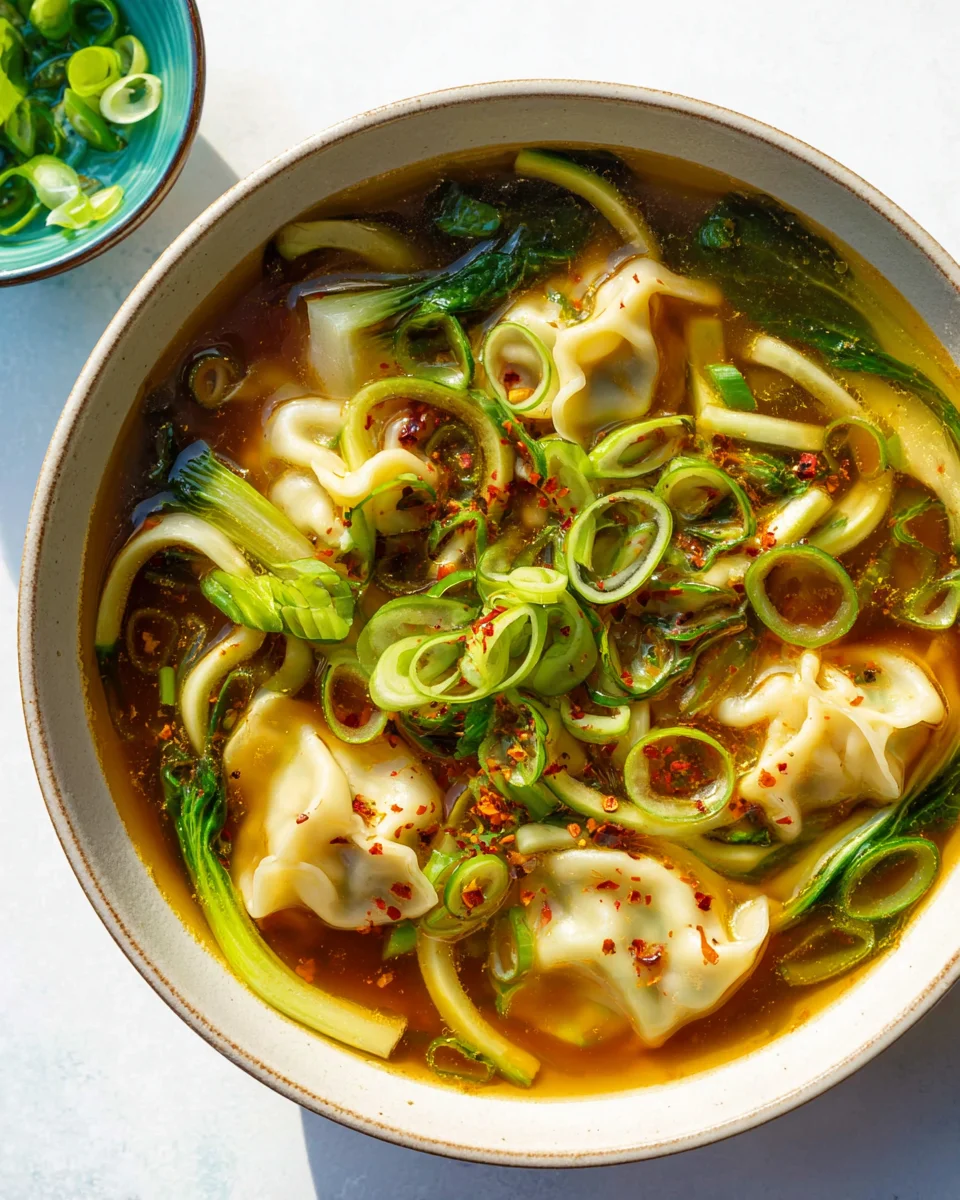
Gyoza Soup Japanese Dumpling Soup is more than just a meal; it’s an embrace in a bowl, a harmonious blend of comforting flavors and satisfying textures that promises to warm you from the inside out. Imagine plump, tender gyoza dumplings, bursting with savory fillings, nestled in a rich, umami-packed broth, often adorned with vibrant greens and delicate slivers of mushroom or scallion. It’s a dish that perfectly encapsulates the soulful simplicity and profound deliciousness of Japanese home cooking.
While gyoza themselves found their way into Japanese culinary traditions with roots in Chinese jiaozi, they have evolved into a distinctly beloved Japanese staple. This soup version elevates the experience, transforming a popular appetizer or side dish into a hearty, stand-alone meal. People adore this dish for its incredible balance – the juicy, flavorful interior of the dumplings complements the light yet deeply savory broth, creating a symphony of taste that is both incredibly satisfying and wonderfully light on the palate. It’s quick to prepare, incredibly versatile, and consistently delivers that much-needed dose of comfort after a long day.
Why You’ll Fall in Love with This Gyoza Soup
There’s a reason this delightful Gyoza Soup Japanese Dumpling Soup has captured the hearts of food enthusiasts worldwide. Its combination of convenience, incredible flavor, and the sheer joy of each tender bite makes it an irresistible choice for any occasion, from a quick weeknight dinner to a cozy weekend lunch. Get ready to discover your new favorite go-to comfort food!

Ingredients:
Creating a truly comforting bowl of Gyoza Soup, this delightful Japanese Dumpling Soup, requires a thoughtful selection of fresh, high-quality ingredients. Here’s everything you’ll need to embark on this culinary adventure. Remember, quality ingredients are the foundation of an exceptional dish!
- For the Gyoza Filling:
- 1 lb (approx. 450g) ground pork, preferably 80/20 lean-to-fat ratio for juiciness
- 1 cup finely chopped Napa cabbage (about 4 large leaves), salted and squeezed dry
- ½ cup finely chopped chives or green onions (white and light green parts)
- 2 cloves garlic, minced very finely
- 1-inch piece fresh ginger, grated (about 1 tablespoon)
- 1 tablespoon soy sauce
- 1 tablespoon sake (Japanese rice wine) or dry sherry
- 1 teaspoon toasted sesame oil
- ½ teaspoon sugar
- ¼ teaspoon freshly ground white pepper (or black pepper if white isn’t available)
- 1 tablespoon cornstarch (or potato starch), to bind the filling
- For the Gyoza Wrappers:
- Approximately 40-50 round gyoza wrappers (store-bought is perfectly fine and recommended for convenience, usually found in the refrigerated or freezer section of Asian markets)
- Small bowl of water, for sealing the wrappers
- For the Gyoza Soup Broth:
- 6 cups dashi stock (homemade or good quality store-bought dashi powder mixed with water according to package directions) – this is the heart of your Japanese Dumpling Soup!
- ¼ cup soy sauce, or to taste
- 2 tablespoons sake
- 1 tablespoon mirin (sweet Japanese rice wine)
- ½ teaspoon salt, or to taste
- A pinch of white pepper
- For the Soup Vegetables & Garnishes:
- 2-3 large shiitake mushrooms, stemmed and thinly sliced (fresh or rehydrated dried)
- 1 cup baby bok choy, quartered lengthwise, or spinach leaves
- ½ cup carrots, julienned or thinly sliced into rounds
- ½ block (approx. 7 oz / 200g) firm or extra-firm tofu, cut into ½-inch cubes (optional, but adds lovely texture and protein)
- 1 tablespoon toasted sesame oil, for drizzling
- Green onions, thinly sliced (green parts only), for garnish
- Togarashi (Japanese seven-spice blend) or chili oil, for serving (optional, for a spicy kick!)
- Nori (dried seaweed), cut into thin strips, for garnish (optional)
Preparing the Gyoza Filling: The Heart of Your Japanese Dumpling Soup
The secret to an incredibly flavorful Gyoza Soup Japanese Dumpling Soup begins with a perfectly seasoned and juicy gyoza filling. Don’t rush this step, as it lays the foundation for all the deliciousness to come.
-
Prepare the Napa Cabbage: First, let’s tackle the Napa cabbage. Finely chop your 1 cup of Napa cabbage. Place it in a bowl, sprinkle generously with about 1 teaspoon of salt, and let it sit for at least 15-20 minutes. This process draws out excess moisture from the cabbage, preventing your gyoza filling from becoming watery and ensuring a better texture. Once softened, gather the cabbage in a clean kitchen towel or paper towels and squeeze out as much liquid as humanly possible. This step is crucial; too much moisture will result in a soggy filling that’s difficult to wrap and less flavorful. Set aside the thoroughly squeezed cabbage.
-
Combine Aromatics: In a large mixing bowl, add your minced garlic and grated ginger. These two aromatics provide a vibrant, pungent base that truly elevates the gyoza flavor profile. If you have a microplane grater, use it for the ginger to get a fine paste that disperses evenly throughout the filling.
-
Add the Pork: Add the ground pork to the bowl with the garlic and ginger. I recommend using pork with a slightly higher fat content (like 80/20) because the fat renders during cooking, keeping the gyoza juicy and flavorful. Leaner pork can result in a dry filling.
-
Introduce Seasonings: Now, it’s time to build the flavor. Add the soy sauce, sake (or dry sherry), toasted sesame oil, sugar, and white pepper to the bowl. The sake adds a subtle sweetness and umami, while the sesame oil imparts that quintessential nutty aroma. Sugar helps to balance the savory notes, and white pepper adds a gentle warmth.
-
Add Chopped Vegetables: Incorporate the finely chopped chives or green onions and the prepared, squeezed Napa cabbage into the mixture. The chives add a fresh, oniony bite, and the cabbage provides a pleasant crunch and subtle sweetness.
-
Bind the Filling: Sprinkle the cornstarch (or potato starch) over the mixture. This acts as a binder, helping the filling hold its shape and preventing it from crumbling apart during cooking. It also absorbs any residual moisture, contributing to a better texture.
-
Mix Thoroughly: Using clean hands, mix all the ingredients together thoroughly. Knead the mixture for about 2-3 minutes, as if you’re kneading dough. You want the mixture to become cohesive and slightly sticky. This ensures all the flavors are well distributed and the proteins in the pork develop, leading to a firmer, juicier texture. You should feel the consistency change; it will become more uniform and paste-like. Once mixed, cover the bowl and refrigerate the filling for at least 30 minutes. This chilling period allows the flavors to meld and makes the filling easier to handle during the wrapping process.
Assembling the Gyoza: Crafting Your Japanese Dumplings
Wrapping gyoza can seem intimidating at first, but with a little practice, you’ll be a pro. There are various pleating techniques, but the goal is always to seal the filling securely within the wrapper. This is a hands-on and rewarding part of preparing your Gyoza Soup Japanese Dumpling Soup.
-
Prepare Your Workspace: Gather your chilled gyoza filling, the stack of gyoza wrappers, a small bowl of water, and a baking sheet lined with parchment paper or dusted lightly with cornstarch (to prevent sticking). Keep your wrappers covered with a damp cloth to prevent them from drying out while you work, as dried wrappers will crack when folded.
-
Portion the Filling: Take one gyoza wrapper and place it in the palm of your non-dominant hand. Using a small spoon or your fingers, place about 1 heaping teaspoon of the gyoza filling in the center of the wrapper. Avoid overfilling, as this makes sealing difficult and can cause the gyoza to burst during cooking.
-
Moisten the Edges: Dip a finger into the bowl of water and lightly moisten the entire edge of the gyoza wrapper. This water acts as “glue” to seal the dumpling securely.
-
The Basic Fold and Pleat:
- Fold the wrapper in half over the filling to create a half-moon shape, without completely sealing it yet.
- Starting from one end (the right or left, your preference), pinch the top edge of the wrapper to form a small pleat.
- Press this pleat against the bottom edge of the wrapper to seal it.
- Continue to make small, overlapping pleats along the top edge of the wrapper, pressing each pleat firmly against the bottom edge as you go. Aim for 5-7 pleats for a classic gyoza look. The bottom edge of the wrapper should remain relatively flat, while the top edge gets all the decorative pleats.
- Alternatively, for a simpler approach, you can just fold the wrapper in half and firmly press the edges together to seal, creating a crescent shape with no pleats. This is quicker and still delicious, though less traditional in appearance.
- Ensure there are no gaps or openings. A well-sealed gyoza is less likely to leak its delicious filling into your Gyoza Soup.
-
Store Assembled Gyoza: Place the finished gyoza on your prepared baking sheet, ensuring they don’t touch each other to prevent sticking. Repeat the process until all the filling or wrappers are used. If you’re not cooking them immediately, you can freeze them at this stage. Once frozen solid, transfer them to a freezer-safe bag or container for up to 2-3 months. You can cook them directly from frozen for your Gyoza Soup; just add a few extra minutes to the cooking time.
Preparing the Broth and Vegetables for Your Gyoza Soup
While the gyoza are the star, a rich, savory broth and perfectly cooked vegetables are what transform them into a magnificent Gyoza Soup Japanese Dumpling Soup. This section focuses on creating that harmonious base.
-
Prepare the Dashi Broth: In a large pot or Dutch oven, combine your dashi stock. If using dashi powder, follow the package instructions to prepare 6 cups. Dashi is the fundamental savory base of Japanese cuisine, providing a delicate yet profound umami flavor. Heat the dashi over medium-high heat until it comes to a gentle simmer.
-
Season the Broth: Once simmering, add the soy sauce, sake, mirin, salt, and a pinch of white pepper to the dashi. Stir well to combine all the seasonings. Taste the broth and adjust as needed. You want it to be savory, slightly sweet from the mirin, and well-balanced. Remember that the gyoza filling will also contribute some flavor, so don’t make the broth overwhelmingly salty at this stage.
-
Add Hardier Vegetables: Add the thinly sliced carrots and stemmed, sliced shiitake mushrooms to the simmering broth. Allow them to cook for about 3-5 minutes, or until they begin to soften. Shiitake mushrooms lend a wonderful earthy, umami depth to the soup that complements the gyoza perfectly. The carrots add a touch of sweetness and vibrant color.
-
Add Tofu (Optional): If you’re using tofu, gently add the cubed firm tofu to the pot. Let it simmer for another 2-3 minutes to warm through and absorb some of the broth’s flavors. Tofu adds a lovely textural contrast and boosts the protein content of your Gyoza Soup.
Cooking the Gyoza and Final Assembly of the Japanese Dumpling Soup
This is where all your hard work comes together, culminating in a steaming bowl of Gyoza Soup Japanese Dumpling Soup, ready to be enjoyed. The method of cooking the gyoza for soup is simpler than pan-frying, as they will be poached directly in the flavorful broth.
-
Cook the Gyoza: Carefully drop the raw, assembled gyoza (fresh or frozen) into the simmering broth. Do not overcrowd the pot; if you have a very large batch, you may need to cook them in two batches. Give them a gentle stir to prevent them from sticking to the bottom of the pot. Bring the soup back to a gentle simmer and cook for 5-8 minutes, or until the gyoza float to the surface and the wrappers become translucent and tender, and the filling is cooked through. If using frozen gyoza, extend the cooking time by a couple of minutes until they are thoroughly cooked. The meat inside should be opaque and firm.
-
Add Tender Greens: Once the gyoza are nearly cooked, add the quartered baby bok choy or spinach leaves to the soup. Simmer for just 1-2 minutes, or until the greens are wilted but still retain a slight bite and their vibrant color. You don’t want to overcook them, as they can become mushy.
-
Final Taste Adjustment: Give the entire Gyoza Soup a final taste. Adjust seasonings if necessary – perhaps a touch more soy sauce for umami, or a pinch more salt. The broth should be savory and comforting, ready to envelop the delicious dumplings.
-
Serve Immediately: Ladle the hot Gyoza Soup, ensuring each bowl gets a generous helping of dumplings, vegetables, and broth, into individual serving bowls. Drizzle each portion with a tiny bit of toasted sesame oil for an extra layer of nutty aroma. Garnish generously with thinly sliced green onions. For those who enjoy a bit of heat, a dash of togarashi or a swirl of chili oil is a fantastic addition. You can also sprinkle some nori strips for added visual appeal and a hint of sea flavor.
Tips for the Best Gyoza Soup Experience
To ensure your Gyoza Soup Japanese Dumpling Soup is nothing short of spectacular, consider these additional tips and variations:
- Make Ahead Gyoza: The gyoza themselves are excellent for meal prepping. You can assemble a large batch and freeze them on a baking sheet until solid, then transfer to a freezer bag. They can go straight from freezer to simmering broth, making for a quick weeknight meal.
- Broth Variations: While dashi is traditional and highly recommended for its delicate flavor, you can use chicken broth or vegetable broth as a base in a pinch. However, be aware that these will alter the authentic Japanese flavor profile. For richer chicken broth, consider adding a piece of kombu (dried kelp) and some dried shiitake mushrooms to simmer in it for 20-30 minutes, then strain, to infuse it with more umami.
- Vegetable Choices: Feel free to customize the vegetables based on what you have on hand or prefer. Sliced cabbage, snow peas, snap peas, enoki mushrooms, or even thinly sliced daikon radish can be wonderful additions. Add them according to their cooking times – hardier vegetables first, tender greens last.
- Spice It Up: If you love a kick, add a pinch of red pepper flakes to the gyoza filling, or stir a teaspoon of gochujang (Korean chili paste) into the broth during seasoning. Of course, chili oil at serving is always a safe bet for individual customization.
- Gluten-Free Option: To make this Gyoza Soup gluten-free, use gluten-free soy sauce (tamari) and ensure your gyoza wrappers are gluten-free (some brands offer these, often made with rice flour).
- Vegetarian Gyoza Soup: For a completely plant-based version, replace the ground pork with finely chopped firm tofu, crumbled tempeh, or a mix of finely chopped mushrooms (like shiitake and cremini) and finely grated carrots/cabbage. Ensure your dashi is made with kombu and shiitake only (without bonito flakes) or use a good quality vegetable broth.
- Serving Suggestions: While this Gyoza Soup Japanese Dumpling Soup is a complete meal on its own, you can serve it alongside a small bowl of steamed white rice or a light seaweed salad for a more elaborate Japanese feast.
Enjoy your homemade Gyoza Soup Japanese Dumpling Soup! This recipe provides not just sustenance but a comforting, flavorful experience that warms you from the inside out. Don’t be afraid to experiment and make it your own, but always start with a solid foundation of fresh ingredients and careful preparation.
Conclusion:
And there you have it! We’ve journeyed through the simple yet profound magic of creating a truly special dish in your own kitchen. This isn’t just another recipe; it’s an invitation to experience warmth, comfort, and an explosion of delightful flavors in every single spoonful. I genuinely believe that once you try this incredible meal, it will quickly become a cherished favorite in your culinary repertoire. What makes this recipe an absolute must-try, you ask? It’s the perfect harmony of textures and tastes: the silky, savory broth that cradles perfectly cooked dumplings, bursting with their flavorful fillings, complemented by the crisp freshness of accompanying vegetables. It’s incredibly satisfying without being heavy, making it an ideal choice for a cozy weeknight dinner or a comforting weekend treat. The preparation might seem intricate at first glance, but I promise you, the steps are straightforward and incredibly rewarding. It truly embodies the heart of homemade goodness, offering a nourishing and delicious experience that store-bought alternatives simply can’t replicate. Every ingredient plays its part to elevate the overall experience, culminating in a dish that is both elegant and wonderfully rustic.
Now, let’s talk about making this dish truly your own. While the basic recipe provides a fantastic foundation, the beauty of homemade cooking lies in its adaptability. This versatile dish truly shines with a few thoughtful additions or variations. For an even heartier meal, consider adding thinly sliced chicken breast or some succulent shrimp to the broth during the final minutes of cooking; they will absorb the rich flavors beautifully. If you’re looking to boost the veggie power, don’t hesitate to toss in some delicate bok choy, earthy shiitake mushrooms, or even some vibrant spinach leaves – they wilt perfectly into the hot soup, adding both color and nutrients. For those who crave an extra layer of umami, stirring in a tablespoon of white miso paste right before serving can deepen the broth’s richness wonderfully. And for a kick of heat, a drizzle of chili oil or a dash of Sriracha on top can awaken your taste buds in the most delightful way. Don’t forget about garnishes! A sprinkle of toasted sesame seeds, a few drops of fragrant sesame oil, or finely chopped scallions add not just visual appeal but also a fresh burst of flavor and aroma.
Consider serving your beautiful Gyoza Soup Japanese Dumpling Soup with a side of plain steamed rice to soak up every last drop of that incredible broth, or perhaps a light, crisp cucumber salad to provide a refreshing counterpoint to the savory depths of the soup.
The possibilities are endless, and I encourage you to experiment boldly!
My dearest readers, I truly hope you feel inspired to roll up your sleeves and give this recipe a try. There’s a unique satisfaction that comes from creating something so delicious and comforting from scratch, and I promise you, the effort will be immensely worth it. Imagine the smiles around your table as you serve up bowls of this delightful soup, knowing you’ve crafted every element with care. It’s more than just a meal; it’s an experience, a moment of culinary triumph that you’ll be proud to share. Once you’ve had a chance to whip up your own batch, I would absolutely love to hear about your experience! Did you stick to the original recipe, or did you venture into some exciting variations? What were your favorite additions? Please don’t hesitate to share your stories, your photos, and any creative twists you came up with. Your feedback and personal touches not only inspire me but also help other home cooks in our community discover new ways to enjoy this wonderful dish.
So, take the plunge, embrace the joy of cooking, and savor every moment of preparing and enjoying this exquisite Gyoza Soup Japanese Dumpling Soup.
Happy cooking, and I can’t wait to hear all about your delicious adventures!
Savory Beef Gyoza Soup: Easy Japanese Dumpling Bowl
This Gyoza Soup Japanese Dumpling Soup is a comforting embrace in a bowl, blending harmonious flavors and satisfying textures. It’s a quick, versatile, and deeply delicious meal that warms you from the inside out.
Ingredients
Instructions
Important Information
Nutrition Facts (Per Serving)
It is important to consider this information as approximate and not to use it as definitive health advice.
Allergy Information
Please check ingredients for potential allergens and consult a health professional if in doubt.